New Combi Boiler Trowbridge: What Should You Check Before Choosing One?
A new combi boiler is a significant investment. Before you settle on a model, here are the key things worth checking — from your home’s hot water demand to whether your pipework is up to the job.

Why you can trust our content
We understand that the boiler industry can be confusing, with plenty of outdated or misleading information. That’s why we rely only on trusted, proven sources to guide our advice and installations:

At a glance
Introduction
A combi boiler can be a practical option for many homes because it combines central heating and hot water production within one appliance. However, choosing one should involve more than comparing prices or selecting a model with a familiar name.
The right system needs to match the property and the way the household uses heating and hot water. Looking at water demand, boiler output, available space and the existing heating system can help avoid choosing an appliance that is either unsuitable or unnecessarily large.
Before arranging a new combi boiler trowbridge installation, it is worth working through a few important checks. This can make the quotation process clearer and help you understand why a particular boiler has been recommended.
What is a combi boiler?
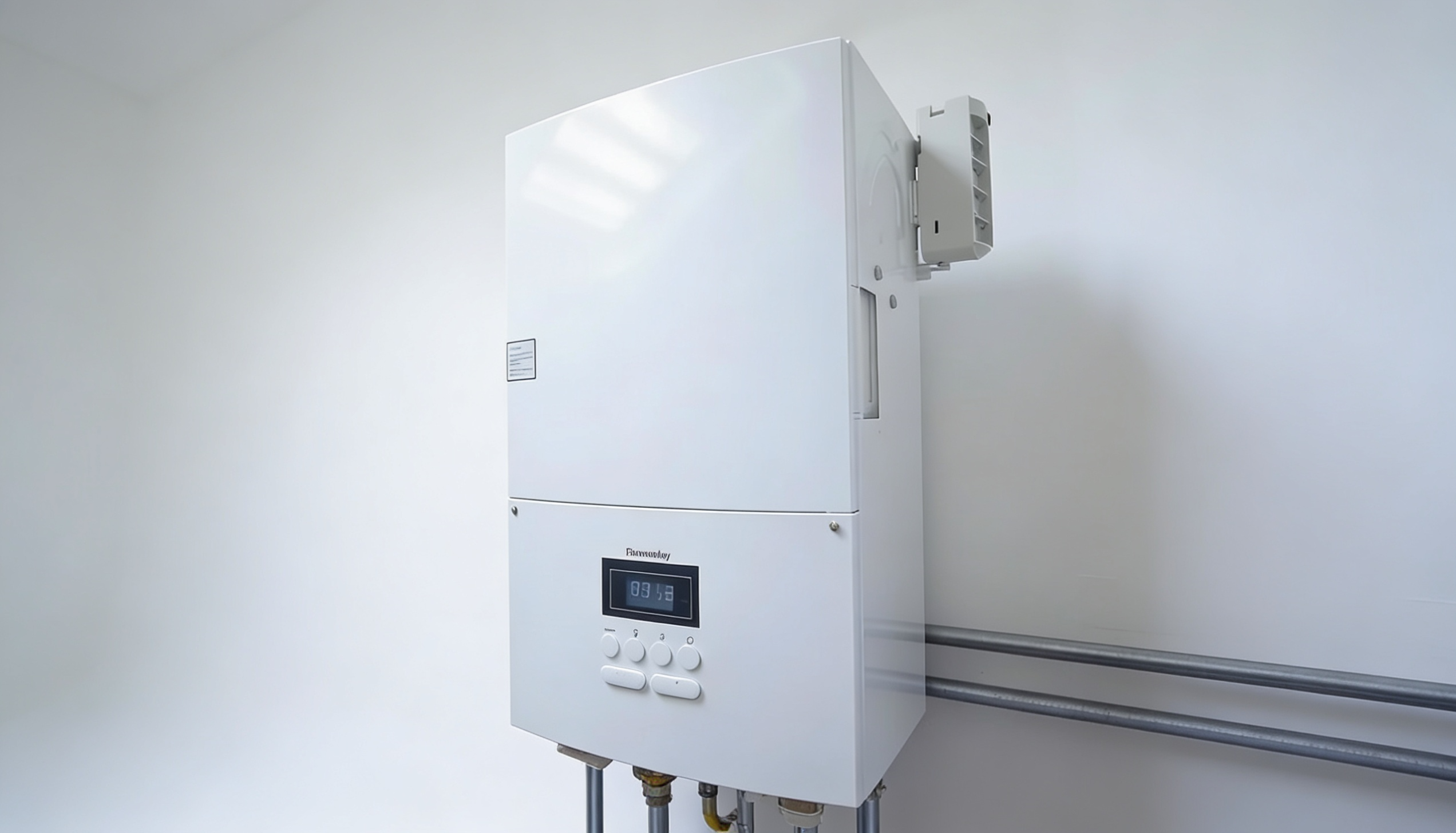
A combination boiler provides central heating and hot water from one appliance. Unlike systems that use a separate hot water cylinder, a combi generally heats water directly when a tap or shower requires it.
This means there is no need to dedicate cupboard space to a hot water cylinder in the same way as with some other heating arrangements.
The main advantages can include:
- A compact installation
- Hot water on demand
- No separate hot water cylinder required
- Fewer system components in some properties
- Potentially useful where space is limited
However, combi boilers are not automatically suitable for every household. Water usage patterns and the property’s incoming mains water supply need to be considered.
Is a combi boiler suitable for your household?
The number of people in the property and how they use hot water can make a significant difference.
A smaller household with one bathroom and relatively modest simultaneous hot water demand may find a combi particularly convenient. A larger household with several bathrooms and frequent simultaneous showers may need a different approach.
Think about when hot water is normally being used. If several people regularly need hot water at the same time, the limitations of instantaneous hot water production should be discussed with an installer.
A professional assessment can help establish whether a combi boiler can meet the household’s needs without compromising convenience.
How do you choose the correct boiler output?
Boiler output is another important consideration. Bigger is not automatically better.
A boiler needs enough capacity to heat the property effectively, but choosing an unnecessarily powerful appliance can be wasteful and may not provide any practical advantage.
The heating requirement and hot water requirement should both be considered. For combi boilers, hot water performance can be particularly important because the appliance needs to heat incoming mains water when a tap or shower is opened.
An installer should therefore consider the property’s heat loss, hot water demand and incoming water conditions before recommending an output.
What should you check about your mains water supply?
The performance of a combi boiler depends partly on the incoming water supply.
If mains water pressure or flow is limited, simply selecting a higher-output combi boiler will not necessarily solve the problem. The available water supply can place practical limits on the amount of hot water the appliance can deliver at a given time.
An installer should assess the existing supply and discuss whether it is suitable for the proposed boiler.
This is particularly important for homeowners expecting strong flow from multiple outlets.
Does the existing heating system need checking?
Yes. A new appliance connects to the wider heating system, so the existing installation should be assessed before work begins.
The installer may need to look at:
- Existing pipework
- Radiators
- Heating controls
- Valves
- Pump arrangements
- Boiler location
- Flue route
- Gas supply
In some cases, the existing system may be suitable for a straightforward replacement. In others, improvements or alterations may be advisable.
The purpose of an assessment is not to create unnecessary work. It is to establish what is actually required for the new boiler to operate safely and effectively.
What should you know about combi boiler installation?
When arranging combi boiler installation trowbridge, ask the installer to explain exactly what will happen to the existing system.
A straightforward replacement may involve removing the old boiler and installing the new appliance in the same location. However, differences between the old and new systems can mean some pipework or controls need to be altered.
You should also understand:
- Where the new boiler will be installed
- How the flue will be arranged
- Whether controls are included
- Whether pipework requires modification
- How long the installation should take
- What happens to the old boiler
- What testing and commissioning will be carried out
Clear information at this stage helps avoid confusion once installation work begins.
What controls should you consider?
The boiler itself is only one part of an efficient heating system. Controls determine how and when the heating operates.
Depending on the system and homeowner’s requirements, controls can include room thermostats, programmers and other forms of heating management.
When comparing boilers, check whether the quotation includes the controls you need. If the existing controls are old or unsuitable for the new system, replacing them at the same time may make sense.
The important point is to choose controls that are appropriate for the boiler and straightforward for the household to use.
How much space do you need?
One reason homeowners consider combi boilers is their relatively compact arrangement.
However, the installation still needs to meet the manufacturer’s requirements and relevant installation standards. The boiler cannot simply be placed wherever there is an empty cupboard.
The installer should consider:
- Access for servicing
- Clearances around the appliance
- Flue requirements
- Pipework connections
- Ventilation where applicable
- Safe operation
- Future maintenance access
A proposed location should therefore be assessed before installation rather than chosen purely because it looks convenient.
What should you compare when looking at different combi boilers?
Once suitability has been established, you can compare individual models.
Useful points to consider include:
|
Feature |
Why it matters |
|
Heating output |
Needs to suit the property’s heating requirement |
|
Hot water performance |
Affects shower and tap performance |
|
Physical dimensions |
Important where installation space is limited |
|
Controls |
Helps manage heating operation |
|
Warranty |
Provides information about manufacturer support |
|
Manufacturer requirements |
Installation must follow the relevant specifications |
|
Service access |
Future maintenance should be practical |
Price is also relevant, but it should be considered alongside specification and installation requirements.
A cheaper appliance is not necessarily the most appropriate choice if its performance does not match the household’s needs.
What if you are replacing an existing combi boiler?
Replacing like-for-like can sometimes make the process relatively straightforward, particularly where the existing location and system arrangements remain suitable.
However, it should not be assumed that every replacement is identical. The new boiler may have different dimensions, connections, controls or installation requirements.
Before agreeing to the replacement, ask whether the existing flue, pipework and controls can be retained and whether any changes are recommended.
This gives you a clearer understanding of what is included in the quotation.
A typical Trowbridge example
Imagine a small family home with one main bathroom and an existing combi boiler that has become unreliable. The boiler is positioned in a suitable cupboard, and the household generally uses one shower at a time.
An installer assesses the property, checks the heating requirement and considers the mains water supply. A suitable replacement combi is then specified, with appropriate controls and any necessary minor system alterations.
The important part of the process is the assessment rather than simply selecting a boiler from a price list. The appliance is chosen because it matches the property’s requirements.
What questions should you ask before choosing a combi?
Before agreeing to a new combi boiler trowbridge installation, ask the installer:
- Why is a combi suitable for this property?
- What output is being recommended?
- Has the mains water supply been considered?
- Can the existing pipework be retained?
- Are new controls included?
- Is the proposed location suitable?
- What work is included in the quotation?
- What warranty applies?
- Will the system be tested and commissioned?
The answers should give you enough information to understand what you are buying and why it has been recommended.
Choosing a combi boiler should start with the needs of the property, not the price tag of the appliance. Household hot water use, heating demand, mains water supply, installation location, controls and the condition of the existing system all deserve consideration.
Taking time to check these factors can make the installation process more straightforward and help you understand the reasoning behind the recommended specification. If you are planning combi boiler installation trowbridge, We Cool & Heat can assess your requirements and explain the available options clearly, giving you a practical basis for your decision.
Related articles



Introduction
A combi boiler can be a practical option for many homes because it combines central heating and hot water production within one appliance. However, choosing one should involve more than comparing prices or selecting a model with a familiar name.
The right system needs to match the property and the way the household uses heating and hot water. Looking at water demand, boiler output, available space and the existing heating system can help avoid choosing an appliance that is either unsuitable or unnecessarily large.
Before arranging a new combi boiler trowbridge installation, it is worth working through a few important checks. This can make the quotation process clearer and help you understand why a particular boiler has been recommended.
What is a combi boiler?
A combination boiler provides central heating and hot water from one appliance. Unlike systems that use a separate hot water cylinder, a combi generally heats water directly when a tap or shower requires it.
This means there is no need to dedicate cupboard space to a hot water cylinder in the same way as with some other heating arrangements.
The main advantages can include:
- A compact installation
- Hot water on demand
- No separate hot water cylinder required
- Fewer system components in some properties
- Potentially useful where space is limited
However, combi boilers are not automatically suitable for every household. Water usage patterns and the property’s incoming mains water supply need to be considered.
Is a combi boiler suitable for your household?
The number of people in the property and how they use hot water can make a significant difference.
A smaller household with one bathroom and relatively modest simultaneous hot water demand may find a combi particularly convenient. A larger household with several bathrooms and frequent simultaneous showers may need a different approach.
Think about when hot water is normally being used. If several people regularly need hot water at the same time, the limitations of instantaneous hot water production should be discussed with an installer.
A professional assessment can help establish whether a combi boiler can meet the household’s needs without compromising convenience.
How do you choose the correct boiler output?
Boiler output is another important consideration. Bigger is not automatically better.
A boiler needs enough capacity to heat the property effectively, but choosing an unnecessarily powerful appliance can be wasteful and may not provide any practical advantage.
The heating requirement and hot water requirement should both be considered. For combi boilers, hot water performance can be particularly important because the appliance needs to heat incoming mains water when a tap or shower is opened.
An installer should therefore consider the property’s heat loss, hot water demand and incoming water conditions before recommending an output.
What should you check about your mains water supply?
The performance of a combi boiler depends partly on the incoming water supply.
If mains water pressure or flow is limited, simply selecting a higher-output combi boiler will not necessarily solve the problem. The available water supply can place practical limits on the amount of hot water the appliance can deliver at a given time.
An installer should assess the existing supply and discuss whether it is suitable for the proposed boiler.
This is particularly important for homeowners expecting strong flow from multiple outlets.
Does the existing heating system need checking?
Yes. A new appliance connects to the wider heating system, so the existing installation should be assessed before work begins.
The installer may need to look at:
- Existing pipework
- Radiators
- Heating controls
- Valves
- Pump arrangements
- Boiler location
- Flue route
- Gas supply
In some cases, the existing system may be suitable for a straightforward replacement. In others, improvements or alterations may be advisable.
The purpose of an assessment is not to create unnecessary work. It is to establish what is actually required for the new boiler to operate safely and effectively.
What should you know about combi boiler installation?
When arranging combi boiler installation trowbridge, ask the installer to explain exactly what will happen to the existing system.
A straightforward replacement may involve removing the old boiler and installing the new appliance in the same location. However, differences between the old and new systems can mean some pipework or controls need to be altered.
You should also understand:
- Where the new boiler will be installed
- How the flue will be arranged
- Whether controls are included
- Whether pipework requires modification
- How long the installation should take
- What happens to the old boiler
- What testing and commissioning will be carried out
Clear information at this stage helps avoid confusion once installation work begins.
What controls should you consider?
The boiler itself is only one part of an efficient heating system. Controls determine how and when the heating operates.
Depending on the system and homeowner’s requirements, controls can include room thermostats, programmers and other forms of heating management.
When comparing boilers, check whether the quotation includes the controls you need. If the existing controls are old or unsuitable for the new system, replacing them at the same time may make sense.
The important point is to choose controls that are appropriate for the boiler and straightforward for the household to use.
How much space do you need?
One reason homeowners consider combi boilers is their relatively compact arrangement.
However, the installation still needs to meet the manufacturer’s requirements and relevant installation standards. The boiler cannot simply be placed wherever there is an empty cupboard.
The installer should consider:
- Access for servicing
- Clearances around the appliance
- Flue requirements
- Pipework connections
- Ventilation where applicable
- Safe operation
- Future maintenance access
A proposed location should therefore be assessed before installation rather than chosen purely because it looks convenient.
What should you compare when looking at different combi boilers?
Once suitability has been established, you can compare individual models.
Useful points to consider include:
|
Feature |
Why it matters |
|
Heating output |
Needs to suit the property’s heating requirement |
|
Hot water performance |
Affects shower and tap performance |
|
Physical dimensions |
Important where installation space is limited |
|
Controls |
Helps manage heating operation |
|
Warranty |
Provides information about manufacturer support |
|
Manufacturer requirements |
Installation must follow the relevant specifications |
|
Service access |
Future maintenance should be practical |
Price is also relevant, but it should be considered alongside specification and installation requirements.
A cheaper appliance is not necessarily the most appropriate choice if its performance does not match the household’s needs.
What if you are replacing an existing combi boiler?
Replacing like-for-like can sometimes make the process relatively straightforward, particularly where the existing location and system arrangements remain suitable.
However, it should not be assumed that every replacement is identical. The new boiler may have different dimensions, connections, controls or installation requirements.
Before agreeing to the replacement, ask whether the existing flue, pipework and controls can be retained and whether any changes are recommended.
This gives you a clearer understanding of what is included in the quotation.
A typical Trowbridge example
Imagine a small family home with one main bathroom and an existing combi boiler that has become unreliable. The boiler is positioned in a suitable cupboard, and the household generally uses one shower at a time.
An installer assesses the property, checks the heating requirement and considers the mains water supply. A suitable replacement combi is then specified, with appropriate controls and any necessary minor system alterations.
The important part of the process is the assessment rather than simply selecting a boiler from a price list. The appliance is chosen because it matches the property’s requirements.
What questions should you ask before choosing a combi?
Before agreeing to a new combi boiler trowbridge installation, ask the installer:
- Why is a combi suitable for this property?
- What output is being recommended?
- Has the mains water supply been considered?
- Can the existing pipework be retained?
- Are new controls included?
- Is the proposed location suitable?
- What work is included in the quotation?
- What warranty applies?
- Will the system be tested and commissioned?
The answers should give you enough information to understand what you are buying and why it has been recommended.
Choosing a combi boiler should start with the needs of the property, not the price tag of the appliance. Household hot water use, heating demand, mains water supply, installation location, controls and the condition of the existing system all deserve consideration.
Taking time to check these factors can make the installation process more straightforward and help you understand the reasoning behind the recommended specification. If you are planning combi boiler installation trowbridge, We Cool & Heat can assess your requirements and explain the available options clearly, giving you a practical basis for your decision.
Related articles
At a glance
Introduction
A combi boiler can be a practical option for many homes because it combines central heating and hot water production within one appliance. However, choosing one should involve more than comparing prices or selecting a model with a familiar name.
The right system needs to match the property and the way the household uses heating and hot water. Looking at water demand, boiler output, available space and the existing heating system can help avoid choosing an appliance that is either unsuitable or unnecessarily large.
Before arranging a new combi boiler trowbridge installation, it is worth working through a few important checks. This can make the quotation process clearer and help you understand why a particular boiler has been recommended.
What is a combi boiler?
A combination boiler provides central heating and hot water from one appliance. Unlike systems that use a separate hot water cylinder, a combi generally heats water directly when a tap or shower requires it.
This means there is no need to dedicate cupboard space to a hot water cylinder in the same way as with some other heating arrangements.
The main advantages can include:
- A compact installation
- Hot water on demand
- No separate hot water cylinder required
- Fewer system components in some properties
- Potentially useful where space is limited
However, combi boilers are not automatically suitable for every household. Water usage patterns and the property’s incoming mains water supply need to be considered.
Is a combi boiler suitable for your household?
The number of people in the property and how they use hot water can make a significant difference.
A smaller household with one bathroom and relatively modest simultaneous hot water demand may find a combi particularly convenient. A larger household with several bathrooms and frequent simultaneous showers may need a different approach.
Think about when hot water is normally being used. If several people regularly need hot water at the same time, the limitations of instantaneous hot water production should be discussed with an installer.
A professional assessment can help establish whether a combi boiler can meet the household’s needs without compromising convenience.
How do you choose the correct boiler output?
Boiler output is another important consideration. Bigger is not automatically better.
A boiler needs enough capacity to heat the property effectively, but choosing an unnecessarily powerful appliance can be wasteful and may not provide any practical advantage.
The heating requirement and hot water requirement should both be considered. For combi boilers, hot water performance can be particularly important because the appliance needs to heat incoming mains water when a tap or shower is opened.
An installer should therefore consider the property’s heat loss, hot water demand and incoming water conditions before recommending an output.
What should you check about your mains water supply?
The performance of a combi boiler depends partly on the incoming water supply.
If mains water pressure or flow is limited, simply selecting a higher-output combi boiler will not necessarily solve the problem. The available water supply can place practical limits on the amount of hot water the appliance can deliver at a given time.
An installer should assess the existing supply and discuss whether it is suitable for the proposed boiler.
This is particularly important for homeowners expecting strong flow from multiple outlets.
Does the existing heating system need checking?
Yes. A new appliance connects to the wider heating system, so the existing installation should be assessed before work begins.
The installer may need to look at:
- Existing pipework
- Radiators
- Heating controls
- Valves
- Pump arrangements
- Boiler location
- Flue route
- Gas supply
In some cases, the existing system may be suitable for a straightforward replacement. In others, improvements or alterations may be advisable.
The purpose of an assessment is not to create unnecessary work. It is to establish what is actually required for the new boiler to operate safely and effectively.
What should you know about combi boiler installation?
When arranging combi boiler installation trowbridge, ask the installer to explain exactly what will happen to the existing system.
A straightforward replacement may involve removing the old boiler and installing the new appliance in the same location. However, differences between the old and new systems can mean some pipework or controls need to be altered.
You should also understand:
- Where the new boiler will be installed
- How the flue will be arranged
- Whether controls are included
- Whether pipework requires modification
- How long the installation should take
- What happens to the old boiler
- What testing and commissioning will be carried out
Clear information at this stage helps avoid confusion once installation work begins.
What controls should you consider?
The boiler itself is only one part of an efficient heating system. Controls determine how and when the heating operates.
Depending on the system and homeowner’s requirements, controls can include room thermostats, programmers and other forms of heating management.
When comparing boilers, check whether the quotation includes the controls you need. If the existing controls are old or unsuitable for the new system, replacing them at the same time may make sense.
The important point is to choose controls that are appropriate for the boiler and straightforward for the household to use.
How much space do you need?
One reason homeowners consider combi boilers is their relatively compact arrangement.
However, the installation still needs to meet the manufacturer’s requirements and relevant installation standards. The boiler cannot simply be placed wherever there is an empty cupboard.
The installer should consider:
- Access for servicing
- Clearances around the appliance
- Flue requirements
- Pipework connections
- Ventilation where applicable
- Safe operation
- Future maintenance access
A proposed location should therefore be assessed before installation rather than chosen purely because it looks convenient.
What should you compare when looking at different combi boilers?
Once suitability has been established, you can compare individual models.
Useful points to consider include:
|
Feature |
Why it matters |
|
Heating output |
Needs to suit the property’s heating requirement |
|
Hot water performance |
Affects shower and tap performance |
|
Physical dimensions |
Important where installation space is limited |
|
Controls |
Helps manage heating operation |
|
Warranty |
Provides information about manufacturer support |
|
Manufacturer requirements |
Installation must follow the relevant specifications |
|
Service access |
Future maintenance should be practical |
Price is also relevant, but it should be considered alongside specification and installation requirements.
A cheaper appliance is not necessarily the most appropriate choice if its performance does not match the household’s needs.
What if you are replacing an existing combi boiler?
Replacing like-for-like can sometimes make the process relatively straightforward, particularly where the existing location and system arrangements remain suitable.
However, it should not be assumed that every replacement is identical. The new boiler may have different dimensions, connections, controls or installation requirements.
Before agreeing to the replacement, ask whether the existing flue, pipework and controls can be retained and whether any changes are recommended.
This gives you a clearer understanding of what is included in the quotation.
A typical Trowbridge example
Imagine a small family home with one main bathroom and an existing combi boiler that has become unreliable. The boiler is positioned in a suitable cupboard, and the household generally uses one shower at a time.
An installer assesses the property, checks the heating requirement and considers the mains water supply. A suitable replacement combi is then specified, with appropriate controls and any necessary minor system alterations.
The important part of the process is the assessment rather than simply selecting a boiler from a price list. The appliance is chosen because it matches the property’s requirements.
What questions should you ask before choosing a combi?
Before agreeing to a new combi boiler trowbridge installation, ask the installer:
- Why is a combi suitable for this property?
- What output is being recommended?
- Has the mains water supply been considered?
- Can the existing pipework be retained?
- Are new controls included?
- Is the proposed location suitable?
- What work is included in the quotation?
- What warranty applies?
- Will the system be tested and commissioned?
The answers should give you enough information to understand what you are buying and why it has been recommended.
Choosing a combi boiler should start with the needs of the property, not the price tag of the appliance. Household hot water use, heating demand, mains water supply, installation location, controls and the condition of the existing system all deserve consideration.
Taking time to check these factors can make the installation process more straightforward and help you understand the reasoning behind the recommended specification. If you are planning combi boiler installation trowbridge, We Cool & Heat can assess your requirements and explain the available options clearly, giving you a practical basis for your decision.