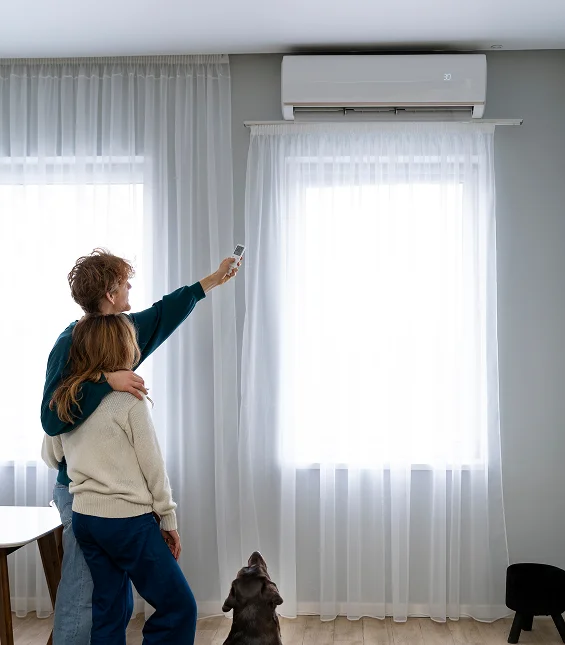
Common Air Conditioning Issues and How to Fix Them
Even a well-maintained air conditioning system can develop faults from time to time. Some problems are minor and easy to address, while others need a qualified engineer to diagnose and resolve properly. Either way, knowing what to look out for can help you catch an issue early, before it turns into something more disruptive or expensive.

Why you can trust our content
We understand that the air conditioning industry can be confusing, with plenty of outdated or misleading information. That’s why we rely only on trusted, proven sources to guide our advice, system recommendations, and installations.






DIY Repairs vs Professional Air Conditioning Servicing
This guide covers the most common air conditioning problems that homeowners and small businesses tend to encounter, what typically causes them and what the appropriate next step is in each case.
If your system isn’t performing as it should, speak to an installer for tailored advice.
Why Is My Air Conditioning Not Cooling Properly?
This is one of the most frequently reported issues, particularly during warmer spells. When the unit is running but the room temperature isn’t dropping, there are a few likely causes.
The most common culprits are low refrigerant levels, a dirty air filter restricting airflow or a fault with the thermostat sending the wrong signals to the system. In some cases, the issue is simply that the unit is undersized for the space it’s been asked to cool, which becomes more noticeable during sustained hot weather.
Checking and replacing a clogged filter is something you can do yourself, but refrigerant issues must always be handled by an F-Gas certified engineer. Attempting to top up refrigerant without the correct qualifications is both dangerous and illegal.
Strange Noises Coming from the Unit
Air conditioning systems are designed to operate quietly. If yours is producing sounds it wasn’t making before, that’s worth paying attention to. Common noises and their likely causes include:
- Rattling or vibrating: Loose panels, fittings or external debris around the outdoor unit
- Grinding or scraping: Worn motor bearings or a failing fan blade
- Buzzing: Electrical component issues, including relay problems or a struggling compressor
- Clicking on start-up: Usually normal, but persistent clicking can indicate a control board fault
- Hissing: Often associated with a refrigerant leak, which requires urgent attention
Most mechanical noise issues will worsen over time if left unaddressed. Getting a professional to inspect the unit early is far preferable to waiting until a minor fault becomes a major one.
If you’re hearing unusual sounds from your system, contact We Cool & Heat for a professional diagnosis.
Which of these best describes your property?
 Detached
 Semi Detached
 Terrace House
 Flat
 Bungalow
 Static Homes
 Commercial or small office
It just takes 60 Sec
And then you can book a free consultation
Water Leaks and Moisture Problems
What Causes Water to Drip from an Air Conditioning Unit?
Indoor water leaks are one of the more alarming-looking issues, but they often have a straightforward cause. The most common reason is a blocked condensate drain line, which causes water to back up and overflow from the indoor unit.
Other causes include:
- Frozen evaporator coils thawing and releasing excess water
- A disconnected or incorrectly routed drain pipe
- Dirty air filters causing the coils to ice up in the first place
A blocked condensate line can usually be cleared by a professional during a routine service visit. If the coils are freezing repeatedly, it’s worth investigating the root cause, as this often points to an airflow restriction or refrigerant issue rather than a one-off problem.
|
Issue |
Likely Cause |
Recommended Action |
|
Warm air from the unit |
Low refrigerant or dirty filter |
Check filter; call engineer for refrigerant |
|
Water dripping indoors |
Blocked condensate drain |
Book a service or repair visit |
|
Rattling or vibrating |
Loose components or debris |
Check outdoor unit; arrange inspection |
|
Musty or stale smell |
Mould or bacteria in the system |
Professional clean and filter replacement |
|
Unit short-cycling |
Thermostat fault or oversized unit |
Engineer assessment required |
|
No response to controls |
Power supply or control board fault |
Check power; contact engineer |
Musty or Unpleasant Smells
A musty or stale odour coming through the vents is usually a sign of mould or bacterial build-up inside the system, commonly within the evaporator coil or the drain tray. This isn’t just unpleasant; it can affect air quality inside the property.
A burning smell is a different matter entirely and should be taken seriously. It can indicate an electrical fault within the unit, in which case the safest course of action is to switch the system off and contact a qualified engineer before using it again.
Regular maintenance is the most effective way to prevent smell-related issues. An annual service that includes cleaning the internal components will keep the system hygienic and running as it should.
The System Keeps Turning Itself On and Off
This is known as short-cycling, and it’s a sign that something is preventing the unit from completing a normal cooling cycle. Possible causes include a faulty thermostat, an air filter that’s too blocked to allow proper airflow or, in some cases, a refrigerant issue affecting the pressure balance within the system.
Short-cycling puts unnecessary strain on the compressor, which is one of the most expensive components to replace. If your system is doing this regularly, it’s worth getting it looked at sooner rather than later. An experienced engineer can quickly narrow down the cause and prevent further wear.
Most air conditioning issues have clear warning signs before they develop into something serious. Whether it’s an unusual noise, a performance drop or an unexplained smell, acting promptly tends to result in a simpler and less expensive fix.
We Cool & Heat offer professional air conditioning repairs across Bristol and the wider Wiltshire region. If your system isn’t behaving as it should, get in touch with the team today and we’ll help you get things sorted quickly and reliably.
Related articles

Which of these best describes your property?
Detached
Semi Detached
Terrace
Flat
Bungalow
Static Homes
Commercial or small office
This guide covers the most common air conditioning problems that homeowners and small businesses tend to encounter, what typically causes them and what the appropriate next step is in each case.
If your system isn’t performing as it should, speak to an installer for tailored advice.
Why Is My Air Conditioning Not Cooling Properly?
This is one of the most frequently reported issues, particularly during warmer spells. When the unit is running but the room temperature isn’t dropping, there are a few likely causes.
The most common culprits are low refrigerant levels, a dirty air filter restricting airflow or a fault with the thermostat sending the wrong signals to the system. In some cases, the issue is simply that the unit is undersized for the space it’s been asked to cool, which becomes more noticeable during sustained hot weather.
Checking and replacing a clogged filter is something you can do yourself, but refrigerant issues must always be handled by an F-Gas certified engineer. Attempting to top up refrigerant without the correct qualifications is both dangerous and illegal.
Strange Noises Coming from the Unit
Air conditioning systems are designed to operate quietly. If yours is producing sounds it wasn’t making before, that’s worth paying attention to. Common noises and their likely causes include:
- Rattling or vibrating: Loose panels, fittings or external debris around the outdoor unit
- Grinding or scraping: Worn motor bearings or a failing fan blade
- Buzzing: Electrical component issues, including relay problems or a struggling compressor
- Clicking on start-up: Usually normal, but persistent clicking can indicate a control board fault
- Hissing: Often associated with a refrigerant leak, which requires urgent attention
Most mechanical noise issues will worsen over time if left unaddressed. Getting a professional to inspect the unit early is far preferable to waiting until a minor fault becomes a major one.
If you’re hearing unusual sounds from your system, contact We Cool & Heat for a professional diagnosis.
Which of these best describes your property?
Detached
Semi Detached
Terrace House
Flat
Bungalow
Static Homes
Commercial or small office
It just takes 60 Sec
And then you can book a free consultation
Water Leaks and Moisture Problems
What Causes Water to Drip from an Air Conditioning Unit?
Indoor water leaks are one of the more alarming-looking issues, but they often have a straightforward cause. The most common reason is a blocked condensate drain line, which causes water to back up and overflow from the indoor unit.
Other causes include:
- Frozen evaporator coils thawing and releasing excess water
- A disconnected or incorrectly routed drain pipe
- Dirty air filters causing the coils to ice up in the first place
A blocked condensate line can usually be cleared by a professional during a routine service visit. If the coils are freezing repeatedly, it’s worth investigating the root cause, as this often points to an airflow restriction or refrigerant issue rather than a one-off problem.
|
Issue |
Likely Cause |
Recommended Action |
|
Warm air from the unit |
Low refrigerant or dirty filter |
Check filter; call engineer for refrigerant |
|
Water dripping indoors |
Blocked condensate drain |
Book a service or repair visit |
|
Rattling or vibrating |
Loose components or debris |
Check outdoor unit; arrange inspection |
|
Musty or stale smell |
Mould or bacteria in the system |
Professional clean and filter replacement |
|
Unit short-cycling |
Thermostat fault or oversized unit |
Engineer assessment required |
|
No response to controls |
Power supply or control board fault |
Check power; contact engineer |
Musty or Unpleasant Smells
A musty or stale odour coming through the vents is usually a sign of mould or bacterial build-up inside the system, commonly within the evaporator coil or the drain tray. This isn’t just unpleasant; it can affect air quality inside the property.
A burning smell is a different matter entirely and should be taken seriously. It can indicate an electrical fault within the unit, in which case the safest course of action is to switch the system off and contact a qualified engineer before using it again.
Regular maintenance is the most effective way to prevent smell-related issues. An annual service that includes cleaning the internal components will keep the system hygienic and running as it should.
The System Keeps Turning Itself On and Off
This is known as short-cycling, and it’s a sign that something is preventing the unit from completing a normal cooling cycle. Possible causes include a faulty thermostat, an air filter that’s too blocked to allow proper airflow or, in some cases, a refrigerant issue affecting the pressure balance within the system.
Short-cycling puts unnecessary strain on the compressor, which is one of the most expensive components to replace. If your system is doing this regularly, it’s worth getting it looked at sooner rather than later. An experienced engineer can quickly narrow down the cause and prevent further wear.
Most air conditioning issues have clear warning signs before they develop into something serious. Whether it’s an unusual noise, a performance drop or an unexplained smell, acting promptly tends to result in a simpler and less expensive fix.
We Cool & Heat offer professional air conditioning repairs across Bristol and the wider Wiltshire region. If your system isn’t behaving as it should, get in touch with the team today and we’ll help you get things sorted quickly and reliably.
Related articles
Which of these best describes your property?
Detached
Semi Detached
Terrace
Flat
Bungalow
Static Homes
Commercial or small office
DIY Repairs vs Professional Air Conditioning Servicing
This guide covers the most common air conditioning problems that homeowners and small businesses tend to encounter, what typically causes them and what the appropriate next step is in each case.
If your system isn’t performing as it should, speak to an installer for tailored advice.
Why Is My Air Conditioning Not Cooling Properly?
This is one of the most frequently reported issues, particularly during warmer spells. When the unit is running but the room temperature isn’t dropping, there are a few likely causes.
The most common culprits are low refrigerant levels, a dirty air filter restricting airflow or a fault with the thermostat sending the wrong signals to the system. In some cases, the issue is simply that the unit is undersized for the space it’s been asked to cool, which becomes more noticeable during sustained hot weather.
Checking and replacing a clogged filter is something you can do yourself, but refrigerant issues must always be handled by an F-Gas certified engineer. Attempting to top up refrigerant without the correct qualifications is both dangerous and illegal.
Strange Noises Coming from the Unit
Air conditioning systems are designed to operate quietly. If yours is producing sounds it wasn’t making before, that’s worth paying attention to. Common noises and their likely causes include:
- Rattling or vibrating: Loose panels, fittings or external debris around the outdoor unit
- Grinding or scraping: Worn motor bearings or a failing fan blade
- Buzzing: Electrical component issues, including relay problems or a struggling compressor
- Clicking on start-up: Usually normal, but persistent clicking can indicate a control board fault
- Hissing: Often associated with a refrigerant leak, which requires urgent attention
Most mechanical noise issues will worsen over time if left unaddressed. Getting a professional to inspect the unit early is far preferable to waiting until a minor fault becomes a major one.
If you’re hearing unusual sounds from your system, contact We Cool & Heat for a professional diagnosis.
Which of these best describes your property?
Detached
Semi Detached
Terrace House
Flat
Bungalow
Static Homes
Commercial or small office
It just takes 60 Sec
And then you can book a free consultation
Water Leaks and Moisture Problems
What Causes Water to Drip from an Air Conditioning Unit?
Indoor water leaks are one of the more alarming-looking issues, but they often have a straightforward cause. The most common reason is a blocked condensate drain line, which causes water to back up and overflow from the indoor unit.
Other causes include:
- Frozen evaporator coils thawing and releasing excess water
- A disconnected or incorrectly routed drain pipe
- Dirty air filters causing the coils to ice up in the first place
A blocked condensate line can usually be cleared by a professional during a routine service visit. If the coils are freezing repeatedly, it’s worth investigating the root cause, as this often points to an airflow restriction or refrigerant issue rather than a one-off problem.
|
Issue |
Likely Cause |
Recommended Action |
|
Warm air from the unit |
Low refrigerant or dirty filter |
Check filter; call engineer for refrigerant |
|
Water dripping indoors |
Blocked condensate drain |
Book a service or repair visit |
|
Rattling or vibrating |
Loose components or debris |
Check outdoor unit; arrange inspection |
|
Musty or stale smell |
Mould or bacteria in the system |
Professional clean and filter replacement |
|
Unit short-cycling |
Thermostat fault or oversized unit |
Engineer assessment required |
|
No response to controls |
Power supply or control board fault |
Check power; contact engineer |
Musty or Unpleasant Smells
A musty or stale odour coming through the vents is usually a sign of mould or bacterial build-up inside the system, commonly within the evaporator coil or the drain tray. This isn’t just unpleasant; it can affect air quality inside the property.
A burning smell is a different matter entirely and should be taken seriously. It can indicate an electrical fault within the unit, in which case the safest course of action is to switch the system off and contact a qualified engineer before using it again.
Regular maintenance is the most effective way to prevent smell-related issues. An annual service that includes cleaning the internal components will keep the system hygienic and running as it should.
The System Keeps Turning Itself On and Off
This is known as short-cycling, and it’s a sign that something is preventing the unit from completing a normal cooling cycle. Possible causes include a faulty thermostat, an air filter that’s too blocked to allow proper airflow or, in some cases, a refrigerant issue affecting the pressure balance within the system.
Short-cycling puts unnecessary strain on the compressor, which is one of the most expensive components to replace. If your system is doing this regularly, it’s worth getting it looked at sooner rather than later. An experienced engineer can quickly narrow down the cause and prevent further wear.
Most air conditioning issues have clear warning signs before they develop into something serious. Whether it’s an unusual noise, a performance drop or an unexplained smell, acting promptly tends to result in a simpler and less expensive fix.
We Cool & Heat offer professional air conditioning repairs across Bristol and the wider Wiltshire region. If your system isn’t behaving as it should, get in touch with the team today and we’ll help you get things sorted quickly and reliably.
Related articles
Which of these best describes your property?
Detached
Semi Detached
Terrace
Flat
Bungalow
Static Homes
Commercial or small office