First 30 Days After Boiler Installation in Trowbridge: What Should You Check?
Discover what to check during the first 30 days after a new boiler installation in Trowbridge, from heating settings to paperwork and early warning signs.

Why you can trust our content
We understand that the boiler industry can be confusing, with plenty of outdated or misleading information. That’s why we rely only on trusted, proven sources to guide our advice and installations:

At a glance
Introduction
A new boiler should make everyday life more comfortable, with reliable heating, consistent hot water and greater control over your home’s energy use. However, the work does not end when the installer packs away their tools. The first 30 days give you an opportunity to understand your new system, check that everything operates as expected and identify any questions before they become bigger concerns.
After a boiler installation in Trowbridge, it is worth spending a little time checking the controls, reviewing the paperwork and paying attention to how your radiators and hot water behave. These simple steps can help you become familiar with the system and understand when to contact your installer for advice.
What should you check during the first week?
The first week is about getting comfortable with your new boiler and confirming that the essential functions work properly. You do not need to carry out technical inspections yourself. Instead, focus on the everyday signs that your heating and hot water are operating as intended.
Start with these practical checks:
- Heating controls: Check that your thermostat, programmer or smart heating controls respond when you adjust the settings.
- Hot water: Run a hot tap and check that the water reaches a comfortable temperature and that the supply behaves consistently.
- Radiators: Turn on the heating and check whether the radiators warm up as expected.
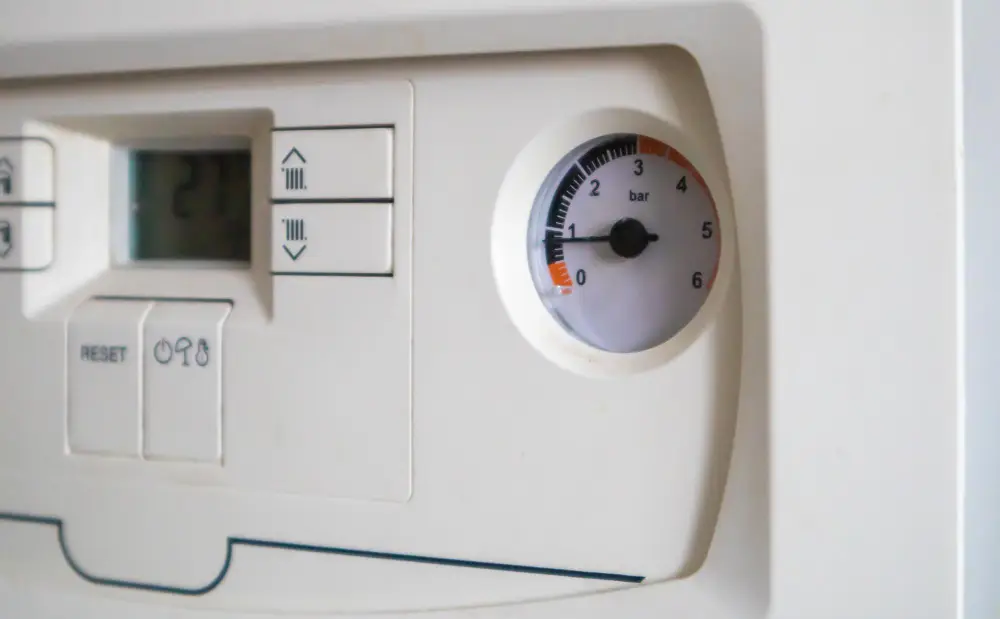
- Boiler display: Familiarise yourself with the normal display and learn how to recognise any warning symbols or fault codes.
- Visible pipework: Look for obvious signs of water escaping around accessible connections, without removing covers or touching hot components.
- Operating instructions: Keep the manufacturer’s manual somewhere easy to find.
These checks help you understand what normal operation looks like. If the boiler repeatedly loses pressure, displays a persistent fault or fails to provide heating or hot water, contact your installer rather than repeatedly resetting the appliance.
If you have questions about the way your new system operates, contact the We Cool & Heat team for guidance on the next steps.
How can you tell whether the heating is working properly?
A heating system needs time to warm a property, particularly after it has been switched off for several hours. The important thing is to look for consistent performance rather than expecting every radiator to become hot instantly.
During the first week, try running the heating through a normal daily cycle. Notice how long the rooms take to reach a comfortable temperature and whether the thermostat switches the heating on and off as expected.
Signs of normal operation
- Rooms gradually reach the temperature selected on the thermostat.
- Radiators warm up during a heating cycle.
- Hot water is available when required, within the limits of your system.
- The boiler starts and stops in response to heating demand.
- There are no persistent fault codes, unusual smells or visible leaks.
Some boilers make quiet clicking, humming or flowing-water sounds during normal operation. However, sudden banging, persistent rattling or other unfamiliar noises should not be ignored, particularly if they occur alongside poor heating performance.
If a radiator remains cold while the others heat up, the cause could relate to trapped air, a valve or the wider heating system. Avoid dismantling components yourself. Ask a qualified heating professional to investigate if the problem persists.
Which boiler settings should you learn first?
Understanding a few basic settings can make your heating easier to manage and help you avoid unnecessary adjustments.
The controls available will depend on whether you have a combi boiler, a system boiler or a conventional boiler with a separate hot water cylinder.
| Setting or control | What it does | What to check |
|---|---|---|
| Room thermostat | Controls the target room temperature | Confirm that the displayed temperature changes when adjusted |
| Heating programmer | Sets when heating operates | Check that the correct times and days are selected |
| Hot water control | Manages hot water heating where applicable | Understand how your particular system heats and stores water |
| Boiler temperature setting | Controls the temperature of water supplied to the heating circuit | Follow the manufacturer’s instructions and your installer’s recommendations |
| Pressure display | Shows the system pressure on boilers with a pressure gauge or display | Learn the normal operating range specified in the manual |
| Holiday or away setting | Reduces heating operation when the home is unoccupied | Check how it affects frost protection and normal schedules |
Avoid changing several settings at once. Make one adjustment, allow the system time to respond and assess the result. This makes it easier to understand which settings work best for your household.
If the controls are confusing, a boiler fitter in Trowbridge should be able to explain the settings relevant to your particular installation. You should not need to guess how an unfamiliar function works.
What paperwork should you keep after installation?
Your installation documents are important throughout the boiler’s working life. They can help you understand your warranty, arrange future servicing and establish what work was completed.
During the first month, gather the documents provided by your installer and manufacturer.
Your records should include:
- Installation and commissioning information: Evidence that the appliance was installed and checked according to the relevant requirements.
- Manufacturer’s warranty: Details of the cover, registration status, exclusions and any conditions that apply.
- Operating instructions: Guidance on using the boiler safely and correctly.
- Gas safety documentation: Relevant records provided for the work, where applicable.
- Installer details: The company’s contact information and guidance on reporting problems.
- Service recommendations: Information about future maintenance and the manufacturer’s requirements.
For a new gas boiler, ask whether the installation has been registered with the appropriate scheme, where required, and whether the manufacturer’s warranty registration is complete. These are separate matters, so do not assume that one automatically confirms the other.
You should also clarify whether the quoted installation included removal of the old appliance, disposal, system cleaning, control upgrades or other additional work.
When should you contact your installer about a problem?
A minor question about programming is different from a fault that prevents the boiler from operating safely. Knowing when to ask for help can save time and prevent an avoidable issue from becoming more disruptive.
Contact your installer promptly if you notice any of the following:
- The boiler repeatedly displays a fault code.
- Heating or hot water stops working without an obvious explanation.
- The pressure repeatedly falls outside the manufacturer’s recommended range.
- Water appears beneath the boiler or around accessible pipework.
- Radiators consistently fail to heat despite the controls being set correctly.
- The system makes persistent, unusual noises.
- The boiler repeatedly switches off or needs resetting.
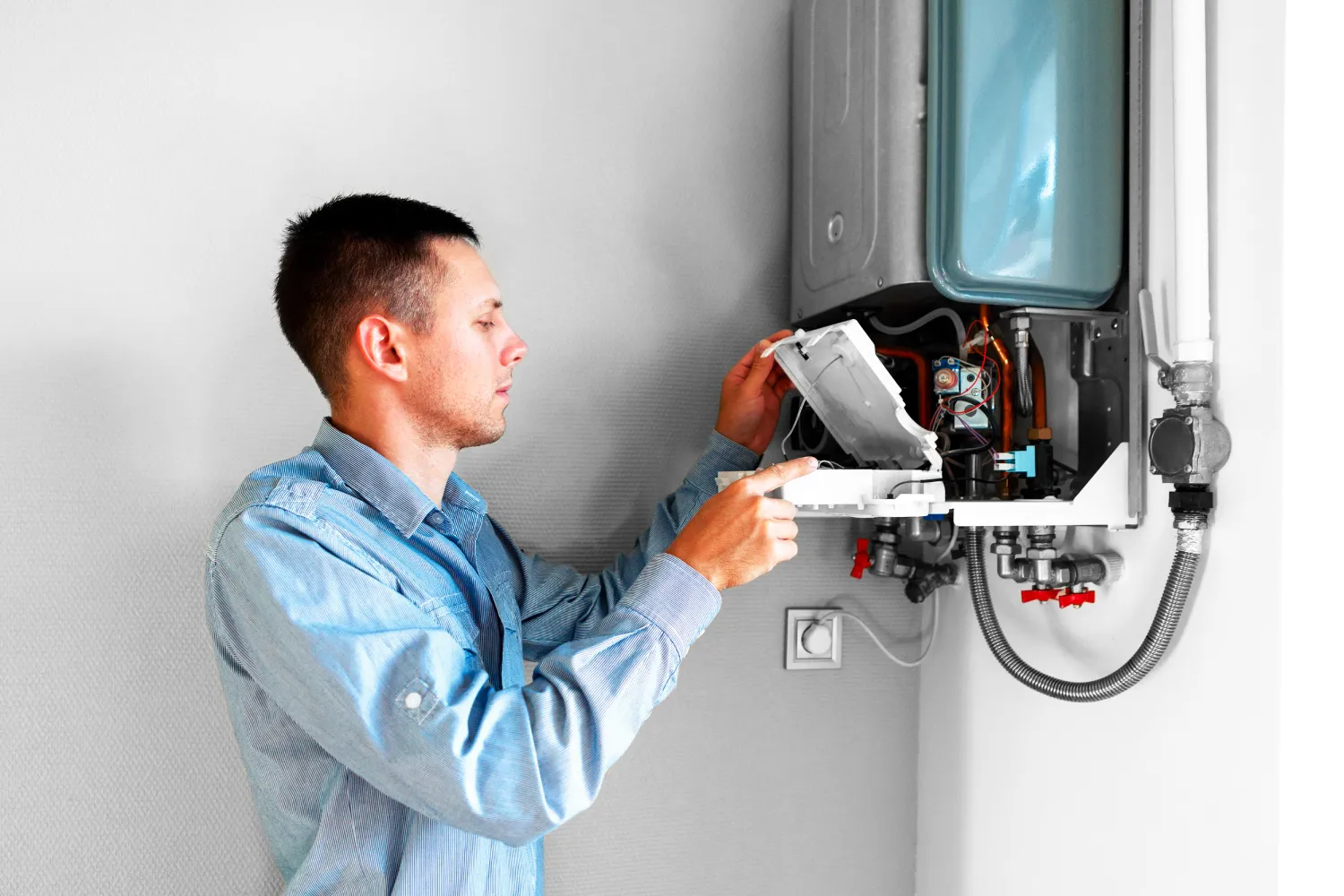
Do not remove the boiler casing, attempt gas adjustments or carry out repairs yourself. Internal components and gas connections should only be examined by appropriately qualified professionals.
Important safety advice: If you smell gas, do not operate electrical switches or use naked flames. Open doors and windows if safe, leave the property and contact the National Gas Emergency Service on 0800 111 999 in Great Britain. Follow its instructions. If a carbon monoxide alarm sounds, or anyone experiences symptoms that could indicate exposure, move into fresh air and seek emergency assistance.
If the concern is not an immediate emergency, explain the symptoms to your installer, including any displayed fault code and when the problem occurs. This information can help them decide what needs checking.
How should you assess the system by the end of the first month?
By day 30, you should have a clearer idea of how your heating responds to everyday use. This is a useful point to review any concerns you noticed during the first few weeks and make sure the important installation details are in order.
Use the following checklist:
- Heating schedules match your household routine.
- Thermostat controls respond as expected.
- Hot water performance is consistent with the system’s design.
- You understand the normal pressure range for your appliance.
- No unresolved leaks, persistent fault codes or unusual noises have appeared.
- Warranty registration and installation paperwork have been checked.
- You know whom to contact if the boiler develops a problem.
- You understand any servicing requirements that apply to your warranty.
A typical Trowbridge home with an older radiator system may take a little time to settle into a comfortable heating routine after a replacement boiler is installed. For example, the homeowner might find that the new thermostat reaches its target temperature sooner than the previous one did. Adjusting the heating schedule may improve comfort without needing to change the boiler itself.
However, repeated pressure loss, continuing cold radiators or persistent operating faults should not simply be dismissed as the system settling in.
If your new boiler is not performing as expected, the We Cool & Heat team can help you understand what to report and whether a professional inspection is appropriate.
Does a new boiler need servicing within the first 30 days?
A newly installed boiler does not normally require an additional routine service simply because 30 days have passed. However, you should follow the manufacturer’s maintenance schedule and any specific conditions attached to your warranty.
Ask your installer when the first service is recommended and whether the warranty requires annual servicing by a suitably qualified professional. Keep records of future maintenance, as missing required servicing can affect warranty protection.
It is also worth understanding the difference between routine servicing and a repair visit. Servicing is planned maintenance intended to assess the appliance’s condition and operation. A repair visit addresses a fault or malfunction.
Do not wait for the first annual service if a problem develops during the first month. Report it promptly, particularly if it affects heating, hot water or safe operation.
Related articles

Introduction
A new boiler should make everyday life more comfortable, with reliable heating, consistent hot water and greater control over your home’s energy use. However, the work does not end when the installer packs away their tools. The first 30 days give you an opportunity to understand your new system, check that everything operates as expected and identify any questions before they become bigger concerns.
After a boiler installation in Trowbridge, it is worth spending a little time checking the controls, reviewing the paperwork and paying attention to how your radiators and hot water behave. These simple steps can help you become familiar with the system and understand when to contact your installer for advice.
What should you check during the first week?
The first week is about getting comfortable with your new boiler and confirming that the essential functions work properly. You do not need to carry out technical inspections yourself. Instead, focus on the everyday signs that your heating and hot water are operating as intended.
Start with these practical checks:
- Heating controls: Check that your thermostat, programmer or smart heating controls respond when you adjust the settings.
- Hot water: Run a hot tap and check that the water reaches a comfortable temperature and that the supply behaves consistently.
- Radiators: Turn on the heating and check whether the radiators warm up as expected.
- Boiler display: Familiarise yourself with the normal display and learn how to recognise any warning symbols or fault codes.
- Visible pipework: Look for obvious signs of water escaping around accessible connections, without removing covers or touching hot components.
- Operating instructions: Keep the manufacturer’s manual somewhere easy to find.
These checks help you understand what normal operation looks like. If the boiler repeatedly loses pressure, displays a persistent fault or fails to provide heating or hot water, contact your installer rather than repeatedly resetting the appliance.
If you have questions about the way your new system operates, contact the We Cool & Heat team for guidance on the next steps.
How can you tell whether the heating is working properly?
A heating system needs time to warm a property, particularly after it has been switched off for several hours. The important thing is to look for consistent performance rather than expecting every radiator to become hot instantly.
During the first week, try running the heating through a normal daily cycle. Notice how long the rooms take to reach a comfortable temperature and whether the thermostat switches the heating on and off as expected.
Signs of normal operation
- Rooms gradually reach the temperature selected on the thermostat.
- Radiators warm up during a heating cycle.
- Hot water is available when required, within the limits of your system.
- The boiler starts and stops in response to heating demand.
- There are no persistent fault codes, unusual smells or visible leaks.
Some boilers make quiet clicking, humming or flowing-water sounds during normal operation. However, sudden banging, persistent rattling or other unfamiliar noises should not be ignored, particularly if they occur alongside poor heating performance.
If a radiator remains cold while the others heat up, the cause could relate to trapped air, a valve or the wider heating system. Avoid dismantling components yourself. Ask a qualified heating professional to investigate if the problem persists.
Which boiler settings should you learn first?
Understanding a few basic settings can make your heating easier to manage and help you avoid unnecessary adjustments.
The controls available will depend on whether you have a combi boiler, a system boiler or a conventional boiler with a separate hot water cylinder.
| Setting or control | What it does | What to check |
|---|---|---|
| Room thermostat | Controls the target room temperature | Confirm that the displayed temperature changes when adjusted |
| Heating programmer | Sets when heating operates | Check that the correct times and days are selected |
| Hot water control | Manages hot water heating where applicable | Understand how your particular system heats and stores water |
| Boiler temperature setting | Controls the temperature of water supplied to the heating circuit | Follow the manufacturer’s instructions and your installer’s recommendations |
| Pressure display | Shows the system pressure on boilers with a pressure gauge or display | Learn the normal operating range specified in the manual |
| Holiday or away setting | Reduces heating operation when the home is unoccupied | Check how it affects frost protection and normal schedules |
Avoid changing several settings at once. Make one adjustment, allow the system time to respond and assess the result. This makes it easier to understand which settings work best for your household.
If the controls are confusing, a boiler fitter in Trowbridge should be able to explain the settings relevant to your particular installation. You should not need to guess how an unfamiliar function works.
What paperwork should you keep after installation?
Your installation documents are important throughout the boiler’s working life. They can help you understand your warranty, arrange future servicing and establish what work was completed.
During the first month, gather the documents provided by your installer and manufacturer.
Your records should include:
- Installation and commissioning information: Evidence that the appliance was installed and checked according to the relevant requirements.
- Manufacturer’s warranty: Details of the cover, registration status, exclusions and any conditions that apply.
- Operating instructions: Guidance on using the boiler safely and correctly.
- Gas safety documentation: Relevant records provided for the work, where applicable.
- Installer details: The company’s contact information and guidance on reporting problems.
- Service recommendations: Information about future maintenance and the manufacturer’s requirements.
For a new gas boiler, ask whether the installation has been registered with the appropriate scheme, where required, and whether the manufacturer’s warranty registration is complete. These are separate matters, so do not assume that one automatically confirms the other.
You should also clarify whether the quoted installation included removal of the old appliance, disposal, system cleaning, control upgrades or other additional work.
When should you contact your installer about a problem?
A minor question about programming is different from a fault that prevents the boiler from operating safely. Knowing when to ask for help can save time and prevent an avoidable issue from becoming more disruptive.
Contact your installer promptly if you notice any of the following:
- The boiler repeatedly displays a fault code.
- Heating or hot water stops working without an obvious explanation.
- The pressure repeatedly falls outside the manufacturer’s recommended range.
- Water appears beneath the boiler or around accessible pipework.
- Radiators consistently fail to heat despite the controls being set correctly.
- The system makes persistent, unusual noises.
- The boiler repeatedly switches off or needs resetting.
Do not remove the boiler casing, attempt gas adjustments or carry out repairs yourself. Internal components and gas connections should only be examined by appropriately qualified professionals.
Important safety advice: If you smell gas, do not operate electrical switches or use naked flames. Open doors and windows if safe, leave the property and contact the National Gas Emergency Service on 0800 111 999 in Great Britain. Follow its instructions. If a carbon monoxide alarm sounds, or anyone experiences symptoms that could indicate exposure, move into fresh air and seek emergency assistance.
If the concern is not an immediate emergency, explain the symptoms to your installer, including any displayed fault code and when the problem occurs. This information can help them decide what needs checking.
How should you assess the system by the end of the first month?
By day 30, you should have a clearer idea of how your heating responds to everyday use. This is a useful point to review any concerns you noticed during the first few weeks and make sure the important installation details are in order.
Use the following checklist:
- Heating schedules match your household routine.
- Thermostat controls respond as expected.
- Hot water performance is consistent with the system’s design.
- You understand the normal pressure range for your appliance.
- No unresolved leaks, persistent fault codes or unusual noises have appeared.
- Warranty registration and installation paperwork have been checked.
- You know whom to contact if the boiler develops a problem.
- You understand any servicing requirements that apply to your warranty.
A typical Trowbridge home with an older radiator system may take a little time to settle into a comfortable heating routine after a replacement boiler is installed. For example, the homeowner might find that the new thermostat reaches its target temperature sooner than the previous one did. Adjusting the heating schedule may improve comfort without needing to change the boiler itself.
However, repeated pressure loss, continuing cold radiators or persistent operating faults should not simply be dismissed as the system settling in.
If your new boiler is not performing as expected, the We Cool & Heat team can help you understand what to report and whether a professional inspection is appropriate.
Does a new boiler need servicing within the first 30 days?
A newly installed boiler does not normally require an additional routine service simply because 30 days have passed. However, you should follow the manufacturer’s maintenance schedule and any specific conditions attached to your warranty.
Ask your installer when the first service is recommended and whether the warranty requires annual servicing by a suitably qualified professional. Keep records of future maintenance, as missing required servicing can affect warranty protection.
It is also worth understanding the difference between routine servicing and a repair visit. Servicing is planned maintenance intended to assess the appliance’s condition and operation. A repair visit addresses a fault or malfunction.
Do not wait for the first annual service if a problem develops during the first month. Report it promptly, particularly if it affects heating, hot water or safe operation.
Related articles
At a glance
Introduction
A new boiler should make everyday life more comfortable, with reliable heating, consistent hot water and greater control over your home’s energy use. However, the work does not end when the installer packs away their tools. The first 30 days give you an opportunity to understand your new system, check that everything operates as expected and identify any questions before they become bigger concerns.
After a boiler installation in Trowbridge, it is worth spending a little time checking the controls, reviewing the paperwork and paying attention to how your radiators and hot water behave. These simple steps can help you become familiar with the system and understand when to contact your installer for advice.
What should you check during the first week?
The first week is about getting comfortable with your new boiler and confirming that the essential functions work properly. You do not need to carry out technical inspections yourself. Instead, focus on the everyday signs that your heating and hot water are operating as intended.
Start with these practical checks:
- Heating controls: Check that your thermostat, programmer or smart heating controls respond when you adjust the settings.
- Hot water: Run a hot tap and check that the water reaches a comfortable temperature and that the supply behaves consistently.
- Radiators: Turn on the heating and check whether the radiators warm up as expected.
- Boiler display: Familiarise yourself with the normal display and learn how to recognise any warning symbols or fault codes.
- Visible pipework: Look for obvious signs of water escaping around accessible connections, without removing covers or touching hot components.
- Operating instructions: Keep the manufacturer’s manual somewhere easy to find.
These checks help you understand what normal operation looks like. If the boiler repeatedly loses pressure, displays a persistent fault or fails to provide heating or hot water, contact your installer rather than repeatedly resetting the appliance.
If you have questions about the way your new system operates, contact the We Cool & Heat team for guidance on the next steps.
How can you tell whether the heating is working properly?
A heating system needs time to warm a property, particularly after it has been switched off for several hours. The important thing is to look for consistent performance rather than expecting every radiator to become hot instantly.
During the first week, try running the heating through a normal daily cycle. Notice how long the rooms take to reach a comfortable temperature and whether the thermostat switches the heating on and off as expected.
Signs of normal operation
- Rooms gradually reach the temperature selected on the thermostat.
- Radiators warm up during a heating cycle.
- Hot water is available when required, within the limits of your system.
- The boiler starts and stops in response to heating demand.
- There are no persistent fault codes, unusual smells or visible leaks.
Some boilers make quiet clicking, humming or flowing-water sounds during normal operation. However, sudden banging, persistent rattling or other unfamiliar noises should not be ignored, particularly if they occur alongside poor heating performance.
If a radiator remains cold while the others heat up, the cause could relate to trapped air, a valve or the wider heating system. Avoid dismantling components yourself. Ask a qualified heating professional to investigate if the problem persists.
Which boiler settings should you learn first?
Understanding a few basic settings can make your heating easier to manage and help you avoid unnecessary adjustments.
The controls available will depend on whether you have a combi boiler, a system boiler or a conventional boiler with a separate hot water cylinder.
| Setting or control | What it does | What to check |
|---|---|---|
| Room thermostat | Controls the target room temperature | Confirm that the displayed temperature changes when adjusted |
| Heating programmer | Sets when heating operates | Check that the correct times and days are selected |
| Hot water control | Manages hot water heating where applicable | Understand how your particular system heats and stores water |
| Boiler temperature setting | Controls the temperature of water supplied to the heating circuit | Follow the manufacturer’s instructions and your installer’s recommendations |
| Pressure display | Shows the system pressure on boilers with a pressure gauge or display | Learn the normal operating range specified in the manual |
| Holiday or away setting | Reduces heating operation when the home is unoccupied | Check how it affects frost protection and normal schedules |
Avoid changing several settings at once. Make one adjustment, allow the system time to respond and assess the result. This makes it easier to understand which settings work best for your household.
If the controls are confusing, a boiler fitter in Trowbridge should be able to explain the settings relevant to your particular installation. You should not need to guess how an unfamiliar function works.
What paperwork should you keep after installation?
Your installation documents are important throughout the boiler’s working life. They can help you understand your warranty, arrange future servicing and establish what work was completed.
During the first month, gather the documents provided by your installer and manufacturer.
Your records should include:
- Installation and commissioning information: Evidence that the appliance was installed and checked according to the relevant requirements.
- Manufacturer’s warranty: Details of the cover, registration status, exclusions and any conditions that apply.
- Operating instructions: Guidance on using the boiler safely and correctly.
- Gas safety documentation: Relevant records provided for the work, where applicable.
- Installer details: The company’s contact information and guidance on reporting problems.
- Service recommendations: Information about future maintenance and the manufacturer’s requirements.
For a new gas boiler, ask whether the installation has been registered with the appropriate scheme, where required, and whether the manufacturer’s warranty registration is complete. These are separate matters, so do not assume that one automatically confirms the other.
You should also clarify whether the quoted installation included removal of the old appliance, disposal, system cleaning, control upgrades or other additional work.
When should you contact your installer about a problem?
A minor question about programming is different from a fault that prevents the boiler from operating safely. Knowing when to ask for help can save time and prevent an avoidable issue from becoming more disruptive.
Contact your installer promptly if you notice any of the following:
- The boiler repeatedly displays a fault code.
- Heating or hot water stops working without an obvious explanation.
- The pressure repeatedly falls outside the manufacturer’s recommended range.
- Water appears beneath the boiler or around accessible pipework.
- Radiators consistently fail to heat despite the controls being set correctly.
- The system makes persistent, unusual noises.
- The boiler repeatedly switches off or needs resetting.
Do not remove the boiler casing, attempt gas adjustments or carry out repairs yourself. Internal components and gas connections should only be examined by appropriately qualified professionals.
Important safety advice: If you smell gas, do not operate electrical switches or use naked flames. Open doors and windows if safe, leave the property and contact the National Gas Emergency Service on 0800 111 999 in Great Britain. Follow its instructions. If a carbon monoxide alarm sounds, or anyone experiences symptoms that could indicate exposure, move into fresh air and seek emergency assistance.
If the concern is not an immediate emergency, explain the symptoms to your installer, including any displayed fault code and when the problem occurs. This information can help them decide what needs checking.
How should you assess the system by the end of the first month?
By day 30, you should have a clearer idea of how your heating responds to everyday use. This is a useful point to review any concerns you noticed during the first few weeks and make sure the important installation details are in order.
Use the following checklist:
- Heating schedules match your household routine.
- Thermostat controls respond as expected.
- Hot water performance is consistent with the system’s design.
- You understand the normal pressure range for your appliance.
- No unresolved leaks, persistent fault codes or unusual noises have appeared.
- Warranty registration and installation paperwork have been checked.
- You know whom to contact if the boiler develops a problem.
- You understand any servicing requirements that apply to your warranty.
A typical Trowbridge home with an older radiator system may take a little time to settle into a comfortable heating routine after a replacement boiler is installed. For example, the homeowner might find that the new thermostat reaches its target temperature sooner than the previous one did. Adjusting the heating schedule may improve comfort without needing to change the boiler itself.
However, repeated pressure loss, continuing cold radiators or persistent operating faults should not simply be dismissed as the system settling in.
If your new boiler is not performing as expected, the We Cool & Heat team can help you understand what to report and whether a professional inspection is appropriate.
Does a new boiler need servicing within the first 30 days?
A newly installed boiler does not normally require an additional routine service simply because 30 days have passed. However, you should follow the manufacturer’s maintenance schedule and any specific conditions attached to your warranty.
Ask your installer when the first service is recommended and whether the warranty requires annual servicing by a suitably qualified professional. Keep records of future maintenance, as missing required servicing can affect warranty protection.
It is also worth understanding the difference between routine servicing and a repair visit. Servicing is planned maintenance intended to assess the appliance’s condition and operation. A repair visit addresses a fault or malfunction.
Do not wait for the first annual service if a problem develops during the first month. Report it promptly, particularly if it affects heating, hot water or safe operation.