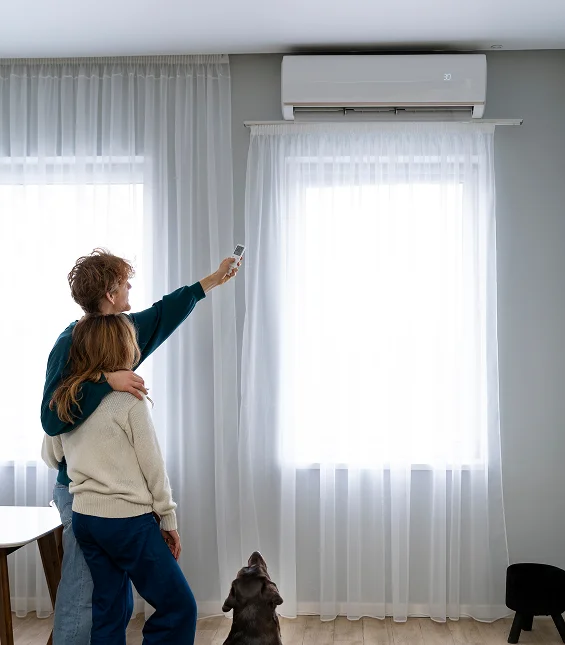
Does Your Trowbridge Home Need Air Conditioning? A Homeowner’s Starting Guide
Discover whether your Trowbridge home needs air conditioning, what affects running costs, and how to choose a comfortable, practical cooling solution.

Why you can trust our content
We understand that the air conditioning industry can be confusing, with plenty of outdated or misleading information. That’s why we rely only on trusted, proven sources to guide our advice, system recommendations, and installations.





At a glance
Does Your Trowbridge Home Need Air Conditioning? A Homeowner’s Starting Guide
British summers can be unpredictable. A few cooler days can quickly give way to warm afternoons, stuffy bedrooms and living rooms that remain uncomfortable long after the sun has gone down. For homeowners in Trowbridge, deciding whether to install air conditioning is not simply about dealing with hot weather. It is about making the home more comfortable when indoor temperatures become difficult to manage.
Air conditioning can provide welcome relief, but it is not automatically the right solution for every property. Your home’s layout, insulation, window positions, daily routine and budget all influence whether a cooling system would make a worthwhile difference. Understanding these factors first can help you make a more informed decision.
What Are the Signs That Your Home Needs Air Conditioning?
The clearest indication is that your home regularly becomes uncomfortable during warm weather, even when you have opened windows, closed curtains during sunny periods and used portable fans.
Some rooms may be affected more than others. South-facing bedrooms, loft conversions and upstairs living spaces can accumulate heat throughout the day. If these rooms remain warm into the evening, sleeping comfortably may become particularly difficult.
You may benefit from considering air conditioning if:
- Your bedrooms stay hot at night. Warm air trapped upstairs can make it difficult to settle and sleep comfortably.
- Your home office becomes uncomfortable. Heat can make it harder to concentrate when working from home.
- Certain rooms overheat repeatedly. Large windows, limited shade or a roof directly above the room can contribute to higher temperatures.
- Fans no longer provide enough relief. Fans circulate air but do not actively remove heat from the room.
- You want more control over indoor temperatures. A properly selected system can maintain a more comfortable environment during hot spells.
If you are unsure whether a permanent system is necessary, We Cool & Heat can help you explore the options for your property. A conversation about the rooms you use most and the problems you experience is a sensible starting point.
Could Simple Changes Solve the Problem First?
Not every warm room needs a mechanical cooling system. Before committing to an installation, it is worth checking whether changes to your existing home could reduce overheating.
External shading is often useful because it prevents sunlight from entering through windows in the first place. Blinds and curtains can also help, particularly when closed before direct sunlight reaches the room. Opening windows when outdoor air is cooler may help release accumulated heat, provided it is safe and practical to do so.
Other useful measures include:
- Keeping loft insulation in good condition while ensuring appropriate ventilation.
- Limiting the use of heat-producing appliances during the warmest part of the day.
- Using an appropriately sized fan to improve air movement.
- Shading conservatories and large glazed areas where possible.
- Closing windows during particularly hot periods when outside air is warmer than indoors.
These measures can make a noticeable difference, especially during shorter warm spells. However, they may not be enough if a room repeatedly overheats or stays warm overnight.
Air conditioning becomes more appealing when you need reliable temperature control rather than occasional relief. The aim is not necessarily to cool the entire house, but to identify the spaces where cooling would have the greatest practical benefit.
Which of these best describes your property?
 Detached
 Semi Detached
 Terrace House
 Flat
 Bungalow
 Static Homes
 Commercial or small office
It just takes 60 Sec
And then you can book a free consultation
Which Rooms Benefit Most From Air Conditioning?
The best room to cool is usually the one that causes the most discomfort, rather than the largest room in the house.
Bedrooms are a common priority because comfortable nighttime temperatures matter for rest. Home offices may also benefit when computers, equipment and direct sunlight contribute to heat build-up. In open-plan homes, a properly positioned unit may help make a combined kitchen, dining and living space more comfortable.
| Room or area | Why cooling may help | Important consideration |
|---|---|---|
| Main bedroom | Helps manage warmth during the night | Position the unit to avoid uncomfortable direct airflow |
| Loft conversion | Roofs can absorb and transfer substantial heat | Roof insulation, glazing and room shape affect the cooling requirement |
| Home office | Supports a more comfortable working environment | Computers and other equipment add heat |
| Open-plan living area | Can improve comfort across a shared space | Larger or divided layouts may require more than one unit |
| Conservatory | Can become uncomfortable during sunny weather | Glazing, shading and heat gain require careful assessment |
A professional assessment should consider the room’s dimensions, window area, orientation, insulation, occupancy and heat-producing equipment. Simply choosing a unit based on floor area can lead to disappointing results.
How Much Does Home Air Conditioning Cost?
The total air conditioner cost depends on the type of system, the number of rooms being cooled and the work needed to install it. A straightforward single-room installation will usually involve fewer materials and less labour than a multi-room arrangement or a ducted system serving several areas.
It is helpful to think about the budget in three parts:
- Equipment: The indoor unit, outdoor unit and any controls included in the chosen system.
- Installation: Labour, pipework, electrical requirements, drainage and the practical difficulty of positioning the equipment.
- Ongoing use: Electricity consumption, maintenance and any repairs required during the system’s life.
A portable unit may have a lower initial purchase price, but it can offer less convenient temperature control and may be less suitable for regular use. A fixed system generally requires a greater initial investment, although it can provide more consistent cooling in the rooms it serves.
There is no single price that suits every home. Before comparing quotations, establish which rooms need cooling and whether you want cooling only or a system that can also provide heating.
What About Electricity Consumption?
Running costs depend on the system’s efficiency, the temperature setting, how long it operates and the heat entering the room. A unit working hard in a poorly shaded, overheated room may use more electricity than one cooling a well-insulated space with limited heat gain.
To manage consumption, choose a correctly sized and efficient system, keep doors and windows closed while cooling, and use timers or temperature controls where appropriate. Setting a realistic temperature rather than demanding an excessively cold room can also help.
Ask your installer for an explanation of the equipment’s efficiency ratings and expected operation. Any running-cost estimate should be based on reasonable assumptions about usage and electricity prices, rather than presented as a guaranteed saving.
If you are weighing up the initial investment against everyday comfort, contact We Cool & Heat to discuss your home and the rooms you want to improve. Understanding the likely installation requirements can help you budget with greater confidence.
Is a Split System a Sensible Starting Point?
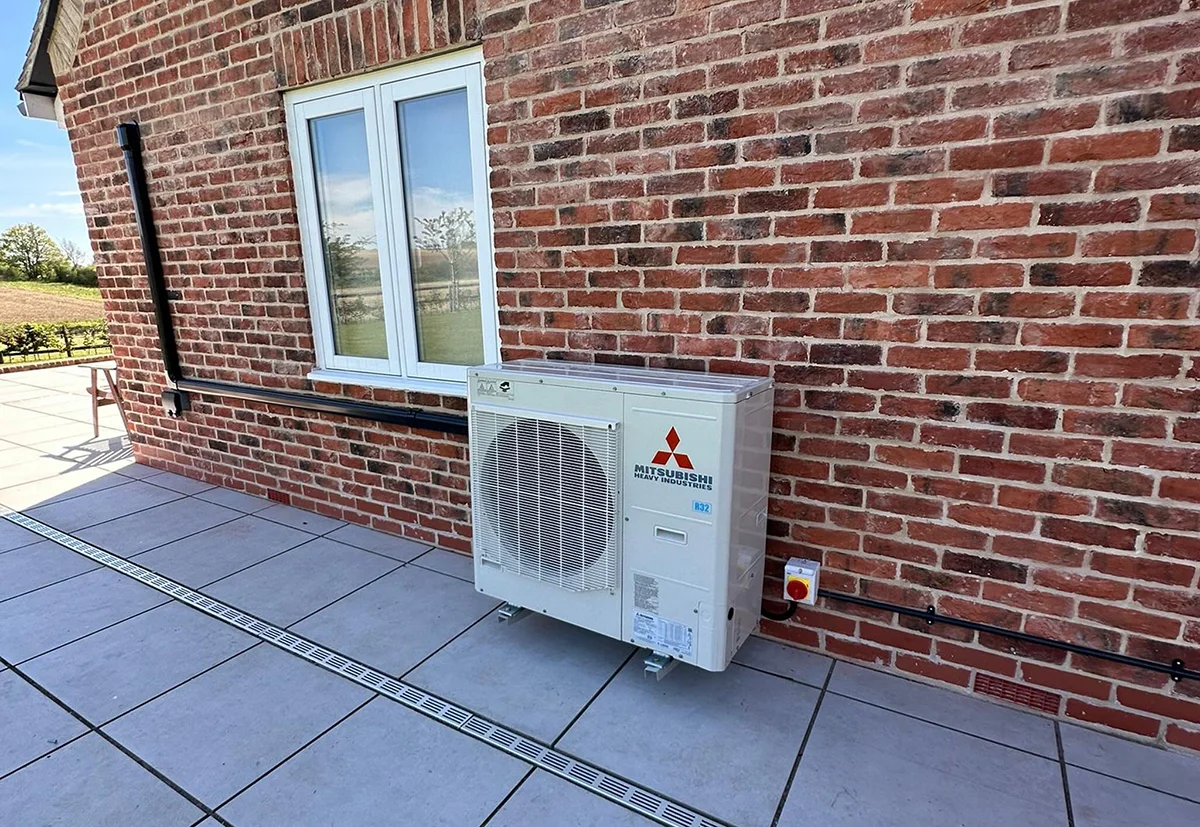
For many homeowners, a wall-mounted split system is worth investigating first. It typically consists of an indoor unit connected to an outdoor unit, with refrigerant pipework linking the two. The indoor unit cools the room, while the outdoor unit releases the heat extracted from inside.
A single-split system is designed to serve one indoor area. If several rooms need cooling, a multi-split arrangement may be suitable, depending on the property and the equipment available.
Common advantages include:
- Dedicated cooling for the room that needs it most.
- Adjustable temperature settings and fan speeds.
- A fixed installation without the need for extensive ductwork.
- Heating capability on many models, using a reverse-cycle heat pump.
The main consideration is that a single indoor unit will not necessarily cool every room evenly. Walls, closed doors and the distance between rooms can limit how far cool air travels.
For a homeowner who mainly struggles with a warm bedroom or home office, a single-room system may be a more proportionate solution than installing equipment throughout the property.
Should You Choose a System That Heats as Well as Cools?
Many modern air conditioning systems can provide both cooling and heating. These systems use heat pump technology to transfer heat rather than generate it directly through an electrical heating element.
During warmer weather, the system removes heat from indoors and releases it outside. In heating mode, the process reverses, transferring heat from the outdoor air into the home.
This dual-purpose capability can be useful if you want to make a particular room more comfortable throughout the year. For example, a home office that becomes too hot in summer may also be chilly during winter mornings.
However, an air conditioning heat pump should not automatically be viewed as a complete replacement for your existing heating system. Suitability depends on the property’s layout, insulation, existing heating arrangements and how you use each room.
Before deciding, consider:
- Whether you need additional heating in one room or across the whole property.
- How the system will work alongside your current boiler or heating controls.
- Whether the selected unit can meet the room’s heating demand during colder weather.
- The likely purchase, installation and running costs compared with alternatives.
A discussion with an experienced installer can help establish whether a heating and cooling system offers practical benefits for your circumstances.
What Should You Check Before Arranging an Installation?
Choosing equipment is only part of the decision. The installation itself needs to suit your property, comply with applicable requirements and provide convenient access for future maintenance.
Before requesting a quotation, think about the following points.
Indoor unit position: The unit should distribute air effectively without creating uncomfortable draughts. Furniture, ceiling height and the location of windows can influence the best position.
Outdoor unit location: The external unit needs suitable airflow, a stable mounting position and reasonable access for servicing. Noise, neighbouring properties and planning considerations should also be taken into account.
Electrical supply: The installer should assess the electrical requirements and establish whether any additional work is necessary.
Condensate drainage: Water produced during cooling needs to drain safely. The proposed route should be practical and appropriate for the property.
Maintenance access: Filters and other serviceable components need to remain accessible so the equipment can be kept in good working order.
Installation requirements: Some properties may need additional consideration because of their construction, access restrictions or the location of proposed pipework.
Ask the installer to explain any limitations or additional work before agreeing to proceed. A clear quotation should distinguish the equipment supplied from installation work and any exclusions.
How Can You Decide Whether Air Conditioning Is Worthwhile?
A useful starting point is to compare how often your home becomes uncomfortable with the cost and complexity of the solution you are considering.
If one bedroom overheats for a few weeks each year, targeted cooling may be sufficient. If several rooms become difficult to use throughout summer, a broader system could be more appropriate. Homeowners comparing air con Trowbridge options should consider the frequency of overheating, the rooms affected and the level of temperature control they want.
Use this checklist to organise your decision:
- Identify the rooms that become uncomfortably warm.
- Check whether shading, ventilation or other simple measures help.
- Decide whether you need cooling alone or heating and cooling.
- Establish a realistic budget for equipment and installation.
- Ask about electricity consumption, maintenance and warranty terms.
- Compare quotations based on the proposed work, not price alone.
This approach can prevent you from paying for equipment that is unsuitable for your needs. It also gives an installer a clearer picture of the problem you want to solve.
If you are ready to explore a permanent solution, speak to We Cool & Heat about your home’s requirements. The right advice should help you understand which system suits your rooms, what installation involves and what to budget for before making a commitment.
Related articles



Which of these best describes your property?
Detached
Semi Detached
Terrace
Flat
Bungalow
Static Homes
Commercial or small office
Does Your Trowbridge Home Need Air Conditioning? A Homeowner’s Starting Guide
British summers can be unpredictable. A few cooler days can quickly give way to warm afternoons, stuffy bedrooms and living rooms that remain uncomfortable long after the sun has gone down. For homeowners in Trowbridge, deciding whether to install air conditioning is not simply about dealing with hot weather. It is about making the home more comfortable when indoor temperatures become difficult to manage.
Air conditioning can provide welcome relief, but it is not automatically the right solution for every property. Your home’s layout, insulation, window positions, daily routine and budget all influence whether a cooling system would make a worthwhile difference. Understanding these factors first can help you make a more informed decision.
What Are the Signs That Your Home Needs Air Conditioning?
The clearest indication is that your home regularly becomes uncomfortable during warm weather, even when you have opened windows, closed curtains during sunny periods and used portable fans.
Some rooms may be affected more than others. South-facing bedrooms, loft conversions and upstairs living spaces can accumulate heat throughout the day. If these rooms remain warm into the evening, sleeping comfortably may become particularly difficult.
You may benefit from considering air conditioning if:
- Your bedrooms stay hot at night. Warm air trapped upstairs can make it difficult to settle and sleep comfortably.
- Your home office becomes uncomfortable. Heat can make it harder to concentrate when working from home.
- Certain rooms overheat repeatedly. Large windows, limited shade or a roof directly above the room can contribute to higher temperatures.
- Fans no longer provide enough relief. Fans circulate air but do not actively remove heat from the room.
- You want more control over indoor temperatures. A properly selected system can maintain a more comfortable environment during hot spells.
If you are unsure whether a permanent system is necessary, We Cool & Heat can help you explore the options for your property. A conversation about the rooms you use most and the problems you experience is a sensible starting point.
Could Simple Changes Solve the Problem First?
Not every warm room needs a mechanical cooling system. Before committing to an installation, it is worth checking whether changes to your existing home could reduce overheating.
External shading is often useful because it prevents sunlight from entering through windows in the first place. Blinds and curtains can also help, particularly when closed before direct sunlight reaches the room. Opening windows when outdoor air is cooler may help release accumulated heat, provided it is safe and practical to do so.
Other useful measures include:
- Keeping loft insulation in good condition while ensuring appropriate ventilation.
- Limiting the use of heat-producing appliances during the warmest part of the day.
- Using an appropriately sized fan to improve air movement.
- Shading conservatories and large glazed areas where possible.
- Closing windows during particularly hot periods when outside air is warmer than indoors.
These measures can make a noticeable difference, especially during shorter warm spells. However, they may not be enough if a room repeatedly overheats or stays warm overnight.
Air conditioning becomes more appealing when you need reliable temperature control rather than occasional relief. The aim is not necessarily to cool the entire house, but to identify the spaces where cooling would have the greatest practical benefit.
Which of these best describes your property?
Detached
Semi Detached
Terrace House
Flat
Bungalow
Static Homes
Commercial or small office
It just takes 60 Sec
And then you can book a free consultation
Which Rooms Benefit Most From Air Conditioning?
The best room to cool is usually the one that causes the most discomfort, rather than the largest room in the house.
Bedrooms are a common priority because comfortable nighttime temperatures matter for rest. Home offices may also benefit when computers, equipment and direct sunlight contribute to heat build-up. In open-plan homes, a properly positioned unit may help make a combined kitchen, dining and living space more comfortable.
| Room or area | Why cooling may help | Important consideration |
|---|---|---|
| Main bedroom | Helps manage warmth during the night | Position the unit to avoid uncomfortable direct airflow |
| Loft conversion | Roofs can absorb and transfer substantial heat | Roof insulation, glazing and room shape affect the cooling requirement |
| Home office | Supports a more comfortable working environment | Computers and other equipment add heat |
| Open-plan living area | Can improve comfort across a shared space | Larger or divided layouts may require more than one unit |
| Conservatory | Can become uncomfortable during sunny weather | Glazing, shading and heat gain require careful assessment |
A professional assessment should consider the room’s dimensions, window area, orientation, insulation, occupancy and heat-producing equipment. Simply choosing a unit based on floor area can lead to disappointing results.
How Much Does Home Air Conditioning Cost?
The total air conditioner cost depends on the type of system, the number of rooms being cooled and the work needed to install it. A straightforward single-room installation will usually involve fewer materials and less labour than a multi-room arrangement or a ducted system serving several areas.
It is helpful to think about the budget in three parts:
- Equipment: The indoor unit, outdoor unit and any controls included in the chosen system.
- Installation: Labour, pipework, electrical requirements, drainage and the practical difficulty of positioning the equipment.
- Ongoing use: Electricity consumption, maintenance and any repairs required during the system’s life.
A portable unit may have a lower initial purchase price, but it can offer less convenient temperature control and may be less suitable for regular use. A fixed system generally requires a greater initial investment, although it can provide more consistent cooling in the rooms it serves.
There is no single price that suits every home. Before comparing quotations, establish which rooms need cooling and whether you want cooling only or a system that can also provide heating.
What About Electricity Consumption?
Running costs depend on the system’s efficiency, the temperature setting, how long it operates and the heat entering the room. A unit working hard in a poorly shaded, overheated room may use more electricity than one cooling a well-insulated space with limited heat gain.
To manage consumption, choose a correctly sized and efficient system, keep doors and windows closed while cooling, and use timers or temperature controls where appropriate. Setting a realistic temperature rather than demanding an excessively cold room can also help.
Ask your installer for an explanation of the equipment’s efficiency ratings and expected operation. Any running-cost estimate should be based on reasonable assumptions about usage and electricity prices, rather than presented as a guaranteed saving.
If you are weighing up the initial investment against everyday comfort, contact We Cool & Heat to discuss your home and the rooms you want to improve. Understanding the likely installation requirements can help you budget with greater confidence.
Is a Split System a Sensible Starting Point?
For many homeowners, a wall-mounted split system is worth investigating first. It typically consists of an indoor unit connected to an outdoor unit, with refrigerant pipework linking the two. The indoor unit cools the room, while the outdoor unit releases the heat extracted from inside.
A single-split system is designed to serve one indoor area. If several rooms need cooling, a multi-split arrangement may be suitable, depending on the property and the equipment available.
Common advantages include:
- Dedicated cooling for the room that needs it most.
- Adjustable temperature settings and fan speeds.
- A fixed installation without the need for extensive ductwork.
- Heating capability on many models, using a reverse-cycle heat pump.
The main consideration is that a single indoor unit will not necessarily cool every room evenly. Walls, closed doors and the distance between rooms can limit how far cool air travels.
For a homeowner who mainly struggles with a warm bedroom or home office, a single-room system may be a more proportionate solution than installing equipment throughout the property.
Should You Choose a System That Heats as Well as Cools?
Many modern air conditioning systems can provide both cooling and heating. These systems use heat pump technology to transfer heat rather than generate it directly through an electrical heating element.
During warmer weather, the system removes heat from indoors and releases it outside. In heating mode, the process reverses, transferring heat from the outdoor air into the home.
This dual-purpose capability can be useful if you want to make a particular room more comfortable throughout the year. For example, a home office that becomes too hot in summer may also be chilly during winter mornings.
However, an air conditioning heat pump should not automatically be viewed as a complete replacement for your existing heating system. Suitability depends on the property’s layout, insulation, existing heating arrangements and how you use each room.
Before deciding, consider:
- Whether you need additional heating in one room or across the whole property.
- How the system will work alongside your current boiler or heating controls.
- Whether the selected unit can meet the room’s heating demand during colder weather.
- The likely purchase, installation and running costs compared with alternatives.
A discussion with an experienced installer can help establish whether a heating and cooling system offers practical benefits for your circumstances.
What Should You Check Before Arranging an Installation?
Choosing equipment is only part of the decision. The installation itself needs to suit your property, comply with applicable requirements and provide convenient access for future maintenance.
Before requesting a quotation, think about the following points.
Indoor unit position: The unit should distribute air effectively without creating uncomfortable draughts. Furniture, ceiling height and the location of windows can influence the best position.
Outdoor unit location: The external unit needs suitable airflow, a stable mounting position and reasonable access for servicing. Noise, neighbouring properties and planning considerations should also be taken into account.
Electrical supply: The installer should assess the electrical requirements and establish whether any additional work is necessary.
Condensate drainage: Water produced during cooling needs to drain safely. The proposed route should be practical and appropriate for the property.
Maintenance access: Filters and other serviceable components need to remain accessible so the equipment can be kept in good working order.
Installation requirements: Some properties may need additional consideration because of their construction, access restrictions or the location of proposed pipework.
Ask the installer to explain any limitations or additional work before agreeing to proceed. A clear quotation should distinguish the equipment supplied from installation work and any exclusions.
How Can You Decide Whether Air Conditioning Is Worthwhile?
A useful starting point is to compare how often your home becomes uncomfortable with the cost and complexity of the solution you are considering.
If one bedroom overheats for a few weeks each year, targeted cooling may be sufficient. If several rooms become difficult to use throughout summer, a broader system could be more appropriate. Homeowners comparing air con Trowbridge options should consider the frequency of overheating, the rooms affected and the level of temperature control they want.
Use this checklist to organise your decision:
- Identify the rooms that become uncomfortably warm.
- Check whether shading, ventilation or other simple measures help.
- Decide whether you need cooling alone or heating and cooling.
- Establish a realistic budget for equipment and installation.
- Ask about electricity consumption, maintenance and warranty terms.
- Compare quotations based on the proposed work, not price alone.
This approach can prevent you from paying for equipment that is unsuitable for your needs. It also gives an installer a clearer picture of the problem you want to solve.
If you are ready to explore a permanent solution, speak to We Cool & Heat about your home’s requirements. The right advice should help you understand which system suits your rooms, what installation involves and what to budget for before making a commitment.
Related articles
Which of these best describes your property?
Detached
Semi Detached
Terrace
Flat
Bungalow
Static Homes
Commercial or small office
At a glance
Does Your Trowbridge Home Need Air Conditioning? A Homeowner’s Starting Guide
British summers can be unpredictable. A few cooler days can quickly give way to warm afternoons, stuffy bedrooms and living rooms that remain uncomfortable long after the sun has gone down. For homeowners in Trowbridge, deciding whether to install air conditioning is not simply about dealing with hot weather. It is about making the home more comfortable when indoor temperatures become difficult to manage.
Air conditioning can provide welcome relief, but it is not automatically the right solution for every property. Your home’s layout, insulation, window positions, daily routine and budget all influence whether a cooling system would make a worthwhile difference. Understanding these factors first can help you make a more informed decision.
What Are the Signs That Your Home Needs Air Conditioning?
The clearest indication is that your home regularly becomes uncomfortable during warm weather, even when you have opened windows, closed curtains during sunny periods and used portable fans.
Some rooms may be affected more than others. South-facing bedrooms, loft conversions and upstairs living spaces can accumulate heat throughout the day. If these rooms remain warm into the evening, sleeping comfortably may become particularly difficult.
You may benefit from considering air conditioning if:
- Your bedrooms stay hot at night. Warm air trapped upstairs can make it difficult to settle and sleep comfortably.
- Your home office becomes uncomfortable. Heat can make it harder to concentrate when working from home.
- Certain rooms overheat repeatedly. Large windows, limited shade or a roof directly above the room can contribute to higher temperatures.
- Fans no longer provide enough relief. Fans circulate air but do not actively remove heat from the room.
- You want more control over indoor temperatures. A properly selected system can maintain a more comfortable environment during hot spells.
If you are unsure whether a permanent system is necessary, We Cool & Heat can help you explore the options for your property. A conversation about the rooms you use most and the problems you experience is a sensible starting point.
Could Simple Changes Solve the Problem First?
Not every warm room needs a mechanical cooling system. Before committing to an installation, it is worth checking whether changes to your existing home could reduce overheating.
External shading is often useful because it prevents sunlight from entering through windows in the first place. Blinds and curtains can also help, particularly when closed before direct sunlight reaches the room. Opening windows when outdoor air is cooler may help release accumulated heat, provided it is safe and practical to do so.
Other useful measures include:
- Keeping loft insulation in good condition while ensuring appropriate ventilation.
- Limiting the use of heat-producing appliances during the warmest part of the day.
- Using an appropriately sized fan to improve air movement.
- Shading conservatories and large glazed areas where possible.
- Closing windows during particularly hot periods when outside air is warmer than indoors.
These measures can make a noticeable difference, especially during shorter warm spells. However, they may not be enough if a room repeatedly overheats or stays warm overnight.
Air conditioning becomes more appealing when you need reliable temperature control rather than occasional relief. The aim is not necessarily to cool the entire house, but to identify the spaces where cooling would have the greatest practical benefit.
Which of these best describes your property?
Detached
Semi Detached
Terrace House
Flat
Bungalow
Static Homes
Commercial or small office
It just takes 60 Sec
And then you can book a free consultation
Which Rooms Benefit Most From Air Conditioning?
The best room to cool is usually the one that causes the most discomfort, rather than the largest room in the house.
Bedrooms are a common priority because comfortable nighttime temperatures matter for rest. Home offices may also benefit when computers, equipment and direct sunlight contribute to heat build-up. In open-plan homes, a properly positioned unit may help make a combined kitchen, dining and living space more comfortable.
| Room or area | Why cooling may help | Important consideration |
|---|---|---|
| Main bedroom | Helps manage warmth during the night | Position the unit to avoid uncomfortable direct airflow |
| Loft conversion | Roofs can absorb and transfer substantial heat | Roof insulation, glazing and room shape affect the cooling requirement |
| Home office | Supports a more comfortable working environment | Computers and other equipment add heat |
| Open-plan living area | Can improve comfort across a shared space | Larger or divided layouts may require more than one unit |
| Conservatory | Can become uncomfortable during sunny weather | Glazing, shading and heat gain require careful assessment |
A professional assessment should consider the room’s dimensions, window area, orientation, insulation, occupancy and heat-producing equipment. Simply choosing a unit based on floor area can lead to disappointing results.
How Much Does Home Air Conditioning Cost?
The total air conditioner cost depends on the type of system, the number of rooms being cooled and the work needed to install it. A straightforward single-room installation will usually involve fewer materials and less labour than a multi-room arrangement or a ducted system serving several areas.
It is helpful to think about the budget in three parts:
- Equipment: The indoor unit, outdoor unit and any controls included in the chosen system.
- Installation: Labour, pipework, electrical requirements, drainage and the practical difficulty of positioning the equipment.
- Ongoing use: Electricity consumption, maintenance and any repairs required during the system’s life.
A portable unit may have a lower initial purchase price, but it can offer less convenient temperature control and may be less suitable for regular use. A fixed system generally requires a greater initial investment, although it can provide more consistent cooling in the rooms it serves.
There is no single price that suits every home. Before comparing quotations, establish which rooms need cooling and whether you want cooling only or a system that can also provide heating.
What About Electricity Consumption?
Running costs depend on the system’s efficiency, the temperature setting, how long it operates and the heat entering the room. A unit working hard in a poorly shaded, overheated room may use more electricity than one cooling a well-insulated space with limited heat gain.
To manage consumption, choose a correctly sized and efficient system, keep doors and windows closed while cooling, and use timers or temperature controls where appropriate. Setting a realistic temperature rather than demanding an excessively cold room can also help.
Ask your installer for an explanation of the equipment’s efficiency ratings and expected operation. Any running-cost estimate should be based on reasonable assumptions about usage and electricity prices, rather than presented as a guaranteed saving.
If you are weighing up the initial investment against everyday comfort, contact We Cool & Heat to discuss your home and the rooms you want to improve. Understanding the likely installation requirements can help you budget with greater confidence.
Is a Split System a Sensible Starting Point?
For many homeowners, a wall-mounted split system is worth investigating first. It typically consists of an indoor unit connected to an outdoor unit, with refrigerant pipework linking the two. The indoor unit cools the room, while the outdoor unit releases the heat extracted from inside.
A single-split system is designed to serve one indoor area. If several rooms need cooling, a multi-split arrangement may be suitable, depending on the property and the equipment available.
Common advantages include:
- Dedicated cooling for the room that needs it most.
- Adjustable temperature settings and fan speeds.
- A fixed installation without the need for extensive ductwork.
- Heating capability on many models, using a reverse-cycle heat pump.
The main consideration is that a single indoor unit will not necessarily cool every room evenly. Walls, closed doors and the distance between rooms can limit how far cool air travels.
For a homeowner who mainly struggles with a warm bedroom or home office, a single-room system may be a more proportionate solution than installing equipment throughout the property.
Should You Choose a System That Heats as Well as Cools?
Many modern air conditioning systems can provide both cooling and heating. These systems use heat pump technology to transfer heat rather than generate it directly through an electrical heating element.
During warmer weather, the system removes heat from indoors and releases it outside. In heating mode, the process reverses, transferring heat from the outdoor air into the home.
This dual-purpose capability can be useful if you want to make a particular room more comfortable throughout the year. For example, a home office that becomes too hot in summer may also be chilly during winter mornings.
However, an air conditioning heat pump should not automatically be viewed as a complete replacement for your existing heating system. Suitability depends on the property’s layout, insulation, existing heating arrangements and how you use each room.
Before deciding, consider:
- Whether you need additional heating in one room or across the whole property.
- How the system will work alongside your current boiler or heating controls.
- Whether the selected unit can meet the room’s heating demand during colder weather.
- The likely purchase, installation and running costs compared with alternatives.
A discussion with an experienced installer can help establish whether a heating and cooling system offers practical benefits for your circumstances.
What Should You Check Before Arranging an Installation?
Choosing equipment is only part of the decision. The installation itself needs to suit your property, comply with applicable requirements and provide convenient access for future maintenance.
Before requesting a quotation, think about the following points.
Indoor unit position: The unit should distribute air effectively without creating uncomfortable draughts. Furniture, ceiling height and the location of windows can influence the best position.
Outdoor unit location: The external unit needs suitable airflow, a stable mounting position and reasonable access for servicing. Noise, neighbouring properties and planning considerations should also be taken into account.
Electrical supply: The installer should assess the electrical requirements and establish whether any additional work is necessary.
Condensate drainage: Water produced during cooling needs to drain safely. The proposed route should be practical and appropriate for the property.
Maintenance access: Filters and other serviceable components need to remain accessible so the equipment can be kept in good working order.
Installation requirements: Some properties may need additional consideration because of their construction, access restrictions or the location of proposed pipework.
Ask the installer to explain any limitations or additional work before agreeing to proceed. A clear quotation should distinguish the equipment supplied from installation work and any exclusions.
How Can You Decide Whether Air Conditioning Is Worthwhile?
A useful starting point is to compare how often your home becomes uncomfortable with the cost and complexity of the solution you are considering.
If one bedroom overheats for a few weeks each year, targeted cooling may be sufficient. If several rooms become difficult to use throughout summer, a broader system could be more appropriate. Homeowners comparing air con Trowbridge options should consider the frequency of overheating, the rooms affected and the level of temperature control they want.
Use this checklist to organise your decision:
- Identify the rooms that become uncomfortably warm.
- Check whether shading, ventilation or other simple measures help.
- Decide whether you need cooling alone or heating and cooling.
- Establish a realistic budget for equipment and installation.
- Ask about electricity consumption, maintenance and warranty terms.
- Compare quotations based on the proposed work, not price alone.
This approach can prevent you from paying for equipment that is unsuitable for your needs. It also gives an installer a clearer picture of the problem you want to solve.
If you are ready to explore a permanent solution, speak to We Cool & Heat about your home’s requirements. The right advice should help you understand which system suits your rooms, what installation involves and what to budget for before making a commitment.
Related articles
Which of these best describes your property?
Detached
Semi Detached
Terrace
Flat
Bungalow
Static Homes
Commercial or small office