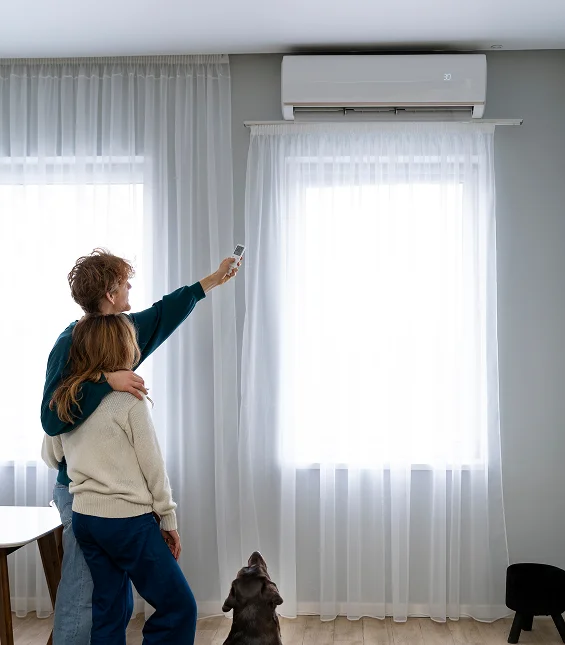
Combi Boiler Replacement Trowbridge: What Should You Plan Before the Old Boiler Is Removed?
Planning a combi boiler replacement in Trowbridge? Discover what to check before removing your old boiler, including system compatibility, existing pipework, installation costs, heating requirements and warranty options.

Why you can trust our content
We understand that the boiler industry can be confusing, with plenty of outdated or misleading information. That’s why we rely only on trusted, proven sources to guide our advice and installations:

At a glance
Introduction
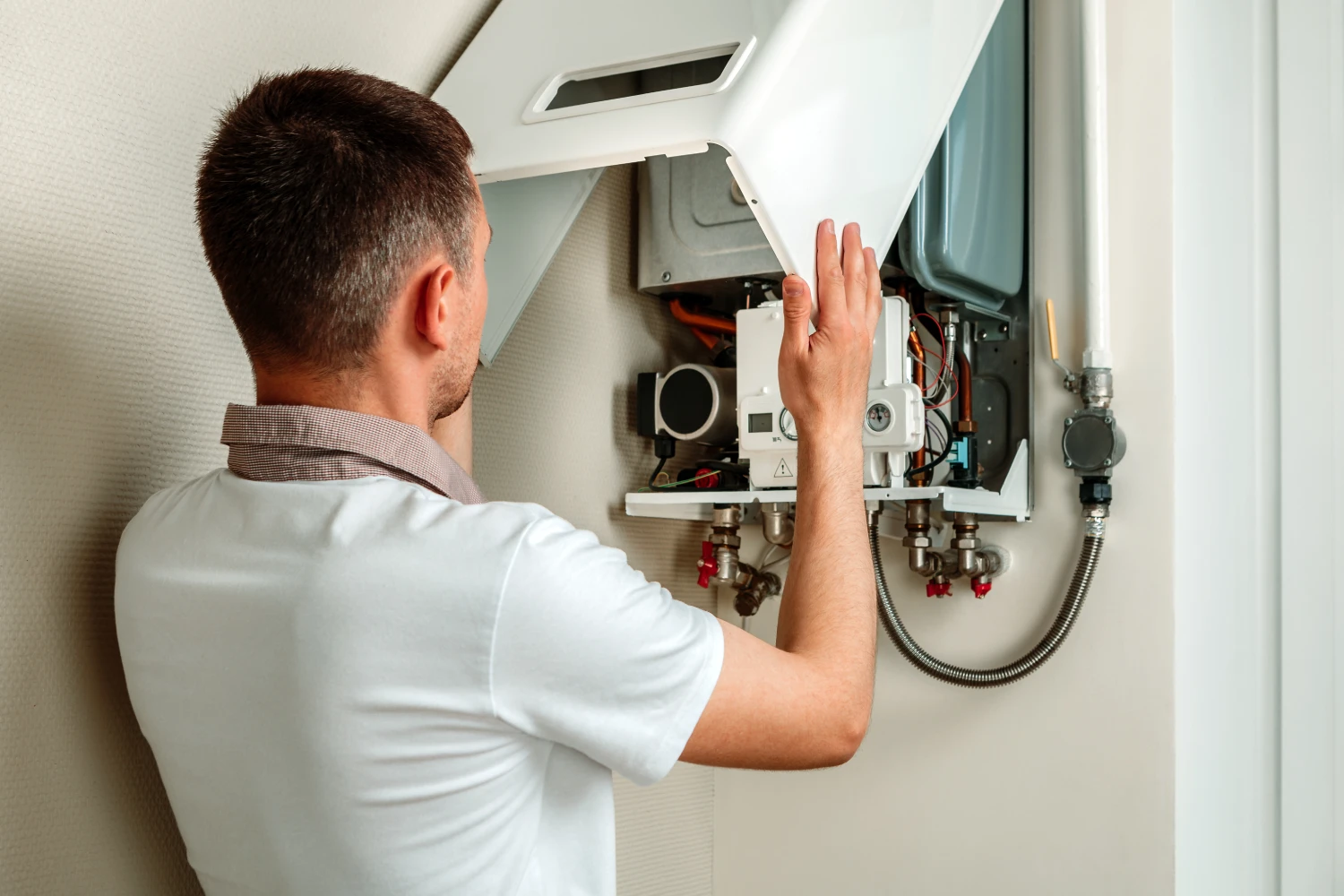
Replacing a combi boiler is more involved than simply taking out the old appliance and putting a new one in its place. Even when the replacement is staying in the same location, the installer needs to consider the existing pipework, flue arrangement, controls, condensate connection and condition of the wider heating system.
Good preparation can also make the installation day easier. Knowing what needs to be moved, protected, removed or upgraded helps reduce surprises and gives you a clearer idea of the work involved.
If you are planning a combi boiler replacement Trowbridge, this guide explains what to consider before the old boiler is removed and what questions are worth asking your installer.
Is your existing boiler definitely ready for replacement?
Before arranging a replacement, it is worth establishing whether the current boiler has reached the point where replacement makes practical sense.
Age is one consideration, but it is not the only one. You should also consider:
- Frequency of breakdowns
- Repair history
- Availability of replacement parts
- Boiler efficiency
- Heating and hot water performance
- Condition of the wider heating system
- Previous repair costs
- Whether the existing boiler still meets the property’s requirements
A relatively minor fault does not automatically mean you need a new boiler. Equally, repeated failures on an ageing appliance can make continued repairs less attractive.
If you are uncertain, a qualified heating professional can assess the current system before you commit to replacement.
What should you check before choosing the replacement boiler?
The replacement should be selected according to the property and hot water requirements rather than simply choosing a newer version of the existing boiler.
Important considerations include:
Boiler output
The required output depends on the property’s heating demand and other system characteristics. Choosing an appliance that is unnecessarily large is not automatically beneficial.
Hot water requirements
Combi boilers heat domestic hot water directly, so the required hot water performance matters. Consider how many bathrooms are used and whether there is likely to be simultaneous demand.
Physical dimensions
The new appliance needs to fit the intended location. Check the dimensions, clearances and access requirements before assuming the replacement can occupy exactly the same space.
Controls
Replacement is an opportunity to review whether the current controls are still suitable. Depending on the system, improved controls may help provide more precise control over heating times and temperatures.
Could the existing pipework affect the replacement?
Yes. The condition and configuration of existing pipework can influence the installation.
Older heating systems may have pipework that needs attention, particularly where the new appliance has different connection requirements. An installer may also identify issues affecting system performance that are worth addressing during the replacement.
Possible areas to consider include:
- Gas supply pipework
- Heating flow and return pipework
- Cold water supply
- Hot water connections
- Condensate drainage
- Pressure relief arrangements
- System cleanliness
- Existing valves and components
Not every replacement requires major changes. The important point is to establish what work has been allowed for before accepting a quotation.
Do you need to plan for the old boiler to be removed?
Yes. Boiler removal is part of the practical planning process and should be discussed with the installer before the installation date.
Think about:
- Access to the boiler
- Furniture or belongings around the working area
- Cupboards containing the appliance
- Flooring that may need protection
- Access through hallways and rooms
- Disposal of the old appliance
If the boiler is inside a kitchen cupboard, for example, the installer may need sufficient working space around it. Clearing the area beforehand can make the installation more straightforward.
Check whether removal and disposal of the old boiler are included in the quotation.
What happens to the flue during a combi replacement?
The flue is an important part of any gas boiler installation and should not simply be assumed to remain suitable.
The installer should assess the existing flue arrangement and determine whether it is appropriate for the replacement appliance. The new boiler may have different requirements depending on its model and location.
Consider:
- Flue position
- Existing flue condition
- Required clearances
- Access for installation
- Whether any changes are necessary
This is one reason a proper assessment is useful before installation day.
Could the heating system need cleaning or other preparation?
Possibly. The condition of the heating system should be considered alongside the boiler itself.
If the system contains sludge or debris, installing a new boiler without addressing relevant system issues may not provide the best foundation for its operation.
Your installer may recommend measures such as:
- Cleaning the system where appropriate
- Checking radiators and valves
- Inspecting system pressure
- Checking expansion arrangements
- Assessing existing filters
- Reviewing system controls
The correct work will depend on the condition and design of the heating system.
What should you expect on installation day?
A planned replacement will normally involve several stages.
| Stage | What it may involve |
| Preparation | Protecting work areas and confirming access |
| Isolation | Safely isolating the existing appliance and services |
| Removal | Disconnecting and removing the old boiler |
| Installation | Positioning and connecting the replacement |
| System work | Making required pipework or component changes |
| Flue work | Installing or adapting the flue arrangement |
| Controls | Connecting and setting up controls |
| Testing | Checking operation and safety |
| Commissioning | Completing required commissioning procedures |
| Handover | Explaining the new system and relevant documentation |
The exact process will vary according to the property and installation.
Planning around the work is also important. You may have a period without heating or hot water, so ask your installer how long the work is expected to take.
How much should you budget for a combi boiler replacement?
There is no single figure that applies to every property. The total depends on the boiler selected and the work required to install it.
The boiler replacement cost may be affected by:
- Boiler make and model
- Boiler output
- Controls
- Flue requirements
- Pipework modifications
- System preparation
- Access
- Removal and disposal
- Additional components
- Complexity of the installation
When comparing quotations, make sure you understand whether these elements are included.
A low initial price can look attractive, but a quotation that excludes necessary work may not represent the final amount you will pay.
Are there questions you should ask before the old boiler is removed?
Yes. A short conversation before the installation can prevent avoidable confusion.
Ask your installer:
- Is the proposed boiler correctly sized for the property?
- Can the existing boiler location be reused?
- Does the flue need changing?
- Will any pipework need modifying?
- Is system cleaning included or recommended?
- Are new controls included?
- Is removal and disposal included?
- How long should the installation take?
- Will heating and hot water be unavailable during the work?
- What documentation will be provided afterwards?
Getting these details confirmed beforehand gives you a clearer picture of what the replacement involves.
If you are considering a combi boiler replacement Trowbridge, We Cool & Heat can help you understand the proposed installation and identify practical requirements before work begins.
What can you do to prepare your home?
A little preparation can make installation day easier.
Before the installer arrives:
- Clear the area around the existing boiler
- Remove fragile items from nearby surfaces
- Make sure access routes are reasonably clear
- Identify where the installer can park or unload, where relevant
- Keep pets away from the working area
- Make arrangements for the period without heating or hot water
If the boiler is located inside a cupboard, ask whether shelves or stored items need to be removed in advance.
What should happen after the replacement is installed?
The installation does not end when the new boiler is switched on.
The system should be checked and commissioned appropriately, with the controls configured and the appliance operating correctly. The installer should also explain how to use the boiler and controls.
Keep any documentation provided, including relevant warranty information and installation records.
It is also worth making sure you understand who to contact if you have a problem after the installation.
A well-planned replacement is easier when the boiler, installation work and aftercare are discussed clearly in advance. We Cool & Heat can provide practical guidance throughout the process.
A combi boiler replacement involves more than selecting a new appliance. The existing boiler location, flue, pipework, controls, heating system and access all need to be considered before installation starts.
Planning these details in advance can help reduce unexpected work and make the installation process more predictable.
For homeowners considering combi boiler replacement Trowbridge, the best starting point is a clear assessment of the current system and a quotation that explains what the proposed work includes. We Cool & Heat can help you understand those practical considerations before the old boiler is removed.
Related articles

Introduction
Replacing a combi boiler is more involved than simply taking out the old appliance and putting a new one in its place. Even when the replacement is staying in the same location, the installer needs to consider the existing pipework, flue arrangement, controls, condensate connection and condition of the wider heating system.
Good preparation can also make the installation day easier. Knowing what needs to be moved, protected, removed or upgraded helps reduce surprises and gives you a clearer idea of the work involved.
If you are planning a combi boiler replacement Trowbridge, this guide explains what to consider before the old boiler is removed and what questions are worth asking your installer.
Is your existing boiler definitely ready for replacement?
Before arranging a replacement, it is worth establishing whether the current boiler has reached the point where replacement makes practical sense.
Age is one consideration, but it is not the only one. You should also consider:
- Frequency of breakdowns
- Repair history
- Availability of replacement parts
- Boiler efficiency
- Heating and hot water performance
- Condition of the wider heating system
- Previous repair costs
- Whether the existing boiler still meets the property’s requirements
A relatively minor fault does not automatically mean you need a new boiler. Equally, repeated failures on an ageing appliance can make continued repairs less attractive.
If you are uncertain, a qualified heating professional can assess the current system before you commit to replacement.
What should you check before choosing the replacement boiler?
The replacement should be selected according to the property and hot water requirements rather than simply choosing a newer version of the existing boiler.
Important considerations include:
Boiler output
The required output depends on the property’s heating demand and other system characteristics. Choosing an appliance that is unnecessarily large is not automatically beneficial.
Hot water requirements
Combi boilers heat domestic hot water directly, so the required hot water performance matters. Consider how many bathrooms are used and whether there is likely to be simultaneous demand.
Physical dimensions
The new appliance needs to fit the intended location. Check the dimensions, clearances and access requirements before assuming the replacement can occupy exactly the same space.
Controls
Replacement is an opportunity to review whether the current controls are still suitable. Depending on the system, improved controls may help provide more precise control over heating times and temperatures.
Could the existing pipework affect the replacement?
Yes. The condition and configuration of existing pipework can influence the installation.
Older heating systems may have pipework that needs attention, particularly where the new appliance has different connection requirements. An installer may also identify issues affecting system performance that are worth addressing during the replacement.
Possible areas to consider include:
- Gas supply pipework
- Heating flow and return pipework
- Cold water supply
- Hot water connections
- Condensate drainage
- Pressure relief arrangements
- System cleanliness
- Existing valves and components
Not every replacement requires major changes. The important point is to establish what work has been allowed for before accepting a quotation.
Do you need to plan for the old boiler to be removed?
Yes. Boiler removal is part of the practical planning process and should be discussed with the installer before the installation date.
Think about:
- Access to the boiler
- Furniture or belongings around the working area
- Cupboards containing the appliance
- Flooring that may need protection
- Access through hallways and rooms
- Disposal of the old appliance
If the boiler is inside a kitchen cupboard, for example, the installer may need sufficient working space around it. Clearing the area beforehand can make the installation more straightforward.
Check whether removal and disposal of the old boiler are included in the quotation.
What happens to the flue during a combi replacement?
The flue is an important part of any gas boiler installation and should not simply be assumed to remain suitable.
The installer should assess the existing flue arrangement and determine whether it is appropriate for the replacement appliance. The new boiler may have different requirements depending on its model and location.
Consider:
- Flue position
- Existing flue condition
- Required clearances
- Access for installation
- Whether any changes are necessary
This is one reason a proper assessment is useful before installation day.
Could the heating system need cleaning or other preparation?
Possibly. The condition of the heating system should be considered alongside the boiler itself.
If the system contains sludge or debris, installing a new boiler without addressing relevant system issues may not provide the best foundation for its operation.
Your installer may recommend measures such as:
- Cleaning the system where appropriate
- Checking radiators and valves
- Inspecting system pressure
- Checking expansion arrangements
- Assessing existing filters
- Reviewing system controls
The correct work will depend on the condition and design of the heating system.
What should you expect on installation day?
A planned replacement will normally involve several stages.
| Stage | What it may involve |
| Preparation | Protecting work areas and confirming access |
| Isolation | Safely isolating the existing appliance and services |
| Removal | Disconnecting and removing the old boiler |
| Installation | Positioning and connecting the replacement |
| System work | Making required pipework or component changes |
| Flue work | Installing or adapting the flue arrangement |
| Controls | Connecting and setting up controls |
| Testing | Checking operation and safety |
| Commissioning | Completing required commissioning procedures |
| Handover | Explaining the new system and relevant documentation |
The exact process will vary according to the property and installation.
Planning around the work is also important. You may have a period without heating or hot water, so ask your installer how long the work is expected to take.
How much should you budget for a combi boiler replacement?
There is no single figure that applies to every property. The total depends on the boiler selected and the work required to install it.
The boiler replacement cost may be affected by:
- Boiler make and model
- Boiler output
- Controls
- Flue requirements
- Pipework modifications
- System preparation
- Access
- Removal and disposal
- Additional components
- Complexity of the installation
When comparing quotations, make sure you understand whether these elements are included.
A low initial price can look attractive, but a quotation that excludes necessary work may not represent the final amount you will pay.
Are there questions you should ask before the old boiler is removed?
Yes. A short conversation before the installation can prevent avoidable confusion.
Ask your installer:
- Is the proposed boiler correctly sized for the property?
- Can the existing boiler location be reused?
- Does the flue need changing?
- Will any pipework need modifying?
- Is system cleaning included or recommended?
- Are new controls included?
- Is removal and disposal included?
- How long should the installation take?
- Will heating and hot water be unavailable during the work?
- What documentation will be provided afterwards?
Getting these details confirmed beforehand gives you a clearer picture of what the replacement involves.
If you are considering a combi boiler replacement Trowbridge, We Cool & Heat can help you understand the proposed installation and identify practical requirements before work begins.
What can you do to prepare your home?
A little preparation can make installation day easier.
Before the installer arrives:
- Clear the area around the existing boiler
- Remove fragile items from nearby surfaces
- Make sure access routes are reasonably clear
- Identify where the installer can park or unload, where relevant
- Keep pets away from the working area
- Make arrangements for the period without heating or hot water
If the boiler is located inside a cupboard, ask whether shelves or stored items need to be removed in advance.
What should happen after the replacement is installed?
The installation does not end when the new boiler is switched on.
The system should be checked and commissioned appropriately, with the controls configured and the appliance operating correctly. The installer should also explain how to use the boiler and controls.
Keep any documentation provided, including relevant warranty information and installation records.
It is also worth making sure you understand who to contact if you have a problem after the installation.
A well-planned replacement is easier when the boiler, installation work and aftercare are discussed clearly in advance. We Cool & Heat can provide practical guidance throughout the process.
A combi boiler replacement involves more than selecting a new appliance. The existing boiler location, flue, pipework, controls, heating system and access all need to be considered before installation starts.
Planning these details in advance can help reduce unexpected work and make the installation process more predictable.
For homeowners considering combi boiler replacement Trowbridge, the best starting point is a clear assessment of the current system and a quotation that explains what the proposed work includes. We Cool & Heat can help you understand those practical considerations before the old boiler is removed.
Related articles
At a glance
Introduction
Replacing a combi boiler is more involved than simply taking out the old appliance and putting a new one in its place. Even when the replacement is staying in the same location, the installer needs to consider the existing pipework, flue arrangement, controls, condensate connection and condition of the wider heating system.
Good preparation can also make the installation day easier. Knowing what needs to be moved, protected, removed or upgraded helps reduce surprises and gives you a clearer idea of the work involved.
If you are planning a combi boiler replacement Trowbridge, this guide explains what to consider before the old boiler is removed and what questions are worth asking your installer.
Is your existing boiler definitely ready for replacement?
Before arranging a replacement, it is worth establishing whether the current boiler has reached the point where replacement makes practical sense.
Age is one consideration, but it is not the only one. You should also consider:
- Frequency of breakdowns
- Repair history
- Availability of replacement parts
- Boiler efficiency
- Heating and hot water performance
- Condition of the wider heating system
- Previous repair costs
- Whether the existing boiler still meets the property’s requirements
A relatively minor fault does not automatically mean you need a new boiler. Equally, repeated failures on an ageing appliance can make continued repairs less attractive.
If you are uncertain, a qualified heating professional can assess the current system before you commit to replacement.
What should you check before choosing the replacement boiler?
The replacement should be selected according to the property and hot water requirements rather than simply choosing a newer version of the existing boiler.
Important considerations include:
Boiler output
The required output depends on the property’s heating demand and other system characteristics. Choosing an appliance that is unnecessarily large is not automatically beneficial.
Hot water requirements
Combi boilers heat domestic hot water directly, so the required hot water performance matters. Consider how many bathrooms are used and whether there is likely to be simultaneous demand.
Physical dimensions
The new appliance needs to fit the intended location. Check the dimensions, clearances and access requirements before assuming the replacement can occupy exactly the same space.
Controls
Replacement is an opportunity to review whether the current controls are still suitable. Depending on the system, improved controls may help provide more precise control over heating times and temperatures.
Could the existing pipework affect the replacement?
Yes. The condition and configuration of existing pipework can influence the installation.
Older heating systems may have pipework that needs attention, particularly where the new appliance has different connection requirements. An installer may also identify issues affecting system performance that are worth addressing during the replacement.
Possible areas to consider include:
- Gas supply pipework
- Heating flow and return pipework
- Cold water supply
- Hot water connections
- Condensate drainage
- Pressure relief arrangements
- System cleanliness
- Existing valves and components
Not every replacement requires major changes. The important point is to establish what work has been allowed for before accepting a quotation.
Do you need to plan for the old boiler to be removed?
Yes. Boiler removal is part of the practical planning process and should be discussed with the installer before the installation date.
Think about:
- Access to the boiler
- Furniture or belongings around the working area
- Cupboards containing the appliance
- Flooring that may need protection
- Access through hallways and rooms
- Disposal of the old appliance
If the boiler is inside a kitchen cupboard, for example, the installer may need sufficient working space around it. Clearing the area beforehand can make the installation more straightforward.
Check whether removal and disposal of the old boiler are included in the quotation.
What happens to the flue during a combi replacement?
The flue is an important part of any gas boiler installation and should not simply be assumed to remain suitable.
The installer should assess the existing flue arrangement and determine whether it is appropriate for the replacement appliance. The new boiler may have different requirements depending on its model and location.
Consider:
- Flue position
- Existing flue condition
- Required clearances
- Access for installation
- Whether any changes are necessary
This is one reason a proper assessment is useful before installation day.
Could the heating system need cleaning or other preparation?
Possibly. The condition of the heating system should be considered alongside the boiler itself.
If the system contains sludge or debris, installing a new boiler without addressing relevant system issues may not provide the best foundation for its operation.
Your installer may recommend measures such as:
- Cleaning the system where appropriate
- Checking radiators and valves
- Inspecting system pressure
- Checking expansion arrangements
- Assessing existing filters
- Reviewing system controls
The correct work will depend on the condition and design of the heating system.
What should you expect on installation day?
A planned replacement will normally involve several stages.
| Stage | What it may involve |
| Preparation | Protecting work areas and confirming access |
| Isolation | Safely isolating the existing appliance and services |
| Removal | Disconnecting and removing the old boiler |
| Installation | Positioning and connecting the replacement |
| System work | Making required pipework or component changes |
| Flue work | Installing or adapting the flue arrangement |
| Controls | Connecting and setting up controls |
| Testing | Checking operation and safety |
| Commissioning | Completing required commissioning procedures |
| Handover | Explaining the new system and relevant documentation |
The exact process will vary according to the property and installation.
Planning around the work is also important. You may have a period without heating or hot water, so ask your installer how long the work is expected to take.
How much should you budget for a combi boiler replacement?
There is no single figure that applies to every property. The total depends on the boiler selected and the work required to install it.
The boiler replacement cost may be affected by:
- Boiler make and model
- Boiler output
- Controls
- Flue requirements
- Pipework modifications
- System preparation
- Access
- Removal and disposal
- Additional components
- Complexity of the installation
When comparing quotations, make sure you understand whether these elements are included.
A low initial price can look attractive, but a quotation that excludes necessary work may not represent the final amount you will pay.
Are there questions you should ask before the old boiler is removed?
Yes. A short conversation before the installation can prevent avoidable confusion.
Ask your installer:
- Is the proposed boiler correctly sized for the property?
- Can the existing boiler location be reused?
- Does the flue need changing?
- Will any pipework need modifying?
- Is system cleaning included or recommended?
- Are new controls included?
- Is removal and disposal included?
- How long should the installation take?
- Will heating and hot water be unavailable during the work?
- What documentation will be provided afterwards?
Getting these details confirmed beforehand gives you a clearer picture of what the replacement involves.
If you are considering a combi boiler replacement Trowbridge, We Cool & Heat can help you understand the proposed installation and identify practical requirements before work begins.
What can you do to prepare your home?
A little preparation can make installation day easier.
Before the installer arrives:
- Clear the area around the existing boiler
- Remove fragile items from nearby surfaces
- Make sure access routes are reasonably clear
- Identify where the installer can park or unload, where relevant
- Keep pets away from the working area
- Make arrangements for the period without heating or hot water
If the boiler is located inside a cupboard, ask whether shelves or stored items need to be removed in advance.
What should happen after the replacement is installed?
The installation does not end when the new boiler is switched on.
The system should be checked and commissioned appropriately, with the controls configured and the appliance operating correctly. The installer should also explain how to use the boiler and controls.
Keep any documentation provided, including relevant warranty information and installation records.
It is also worth making sure you understand who to contact if you have a problem after the installation.
A well-planned replacement is easier when the boiler, installation work and aftercare are discussed clearly in advance. We Cool & Heat can provide practical guidance throughout the process.
A combi boiler replacement involves more than selecting a new appliance. The existing boiler location, flue, pipework, controls, heating system and access all need to be considered before installation starts.
Planning these details in advance can help reduce unexpected work and make the installation process more predictable.
For homeowners considering combi boiler replacement Trowbridge, the best starting point is a clear assessment of the current system and a quotation that explains what the proposed work includes. We Cool & Heat can help you understand those practical considerations before the old boiler is removed.